
Greenville keeps growing. New homes rise where open land once sat. Infill projects appear between older houses. Commercial sites expand closer to quiet neighborhoods. Overall, this growth brings energy and jobs. However, it also brings pressure. And when pressure builds, property lines often sit at the center. Across Greenville, more property owners now face boundary questions they never expected. In many cases, nobody planned to argue. Instead, development nearby exposed assumptions that stayed hidden for years. That shift explains why boundary line survey disputes rise as Greenville development accelerates.
Growth Changes the Timing of Boundary Problems
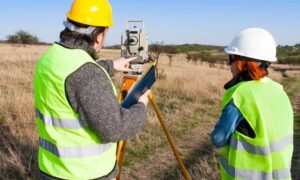
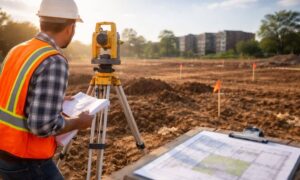
In the past, boundary disputes usually appeared after a sale or fence project. Today, they surface much earlier. As soon as developers submit plans, survey crews step onto the land. Stakes appear. Flags mark corners. Clearing begins. Suddenly, neighbors start asking questions.
Because of this, issues show up during planning instead of after construction. People see activity near what they believe is their land. They react fast. They worry about losing space, access, or privacy. Even when no land loss exists, the fear feels real.
As a result, growth changes not only where disputes happen but also when they begin.
Why Development Next Door Triggers Conflict
Most homeowners rely on visual markers. They trust fences, tree lines, driveways, or long-used paths. Over time, those features feel permanent. However, legal boundaries do not always match daily use.
When development begins next door, survey work often challenges those assumptions. Surveyors follow recorded deeds and monuments, not habits. Therefore, a staked line may differ from what a neighbor expects.
That moment creates tension. People feel caught off guard. They wonder if someone plans to take land. Because development moves quickly, emotions rise just as fast.
Planning Approval Does Not Equal Boundary Certainty
Many people assume that a permitted project already resolved property lines. In reality, planning approval focuses on zoning, use, and layout. It does not confirm every boundary on the ground.
Developers often finalize a boundary line survey after approvals. That timing creates gaps. Neighbors first see survey activity only after plans move forward. At that point, trust erodes. Questions turn into objections. Meetings grow tense.
Although no wrongdoing occurs, the lack of early clarity fuels conflict. Clear boundaries earlier in the process reduce that risk.
How Homeowners Get Pulled In Without Warning
Even if you never plan to build or sell, nearby development can affect you. Many homeowners learn about boundary issues only when survey crews appear close to their yard.
At that moment, stress builds. People worry about losing access or space. They fear changes that affect daily life. Because no prior conversation happened, the surprise feels personal.
This reaction explains why many disputes escalate fast. Without context, homeowners assume the worst. However, early information and clear survey data often calm concerns before they grow.
Boundary Line Surveys as a Preventive Tool
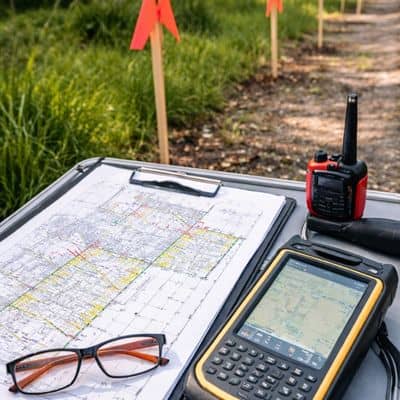
As Greenville grows, more professionals treat the boundary line survey as a risk management step. Instead of waiting for problems, developers and property owners use surveys early.
Early surveys confirm setbacks, buffers, and buildable areas before plans advance too far. They also allow time for discussion. When neighbors understand where lines sit, fear drops. Conversations stay civil.
Therefore, the survey becomes a shield, not a weapon. It protects everyone involved by replacing assumptions with facts.
Development Patterns Raising Boundary Questions in Greenville
Certain projects trigger boundary concerns more often. Infill construction leads the list. When builders place new homes between older ones, space feels tighter. Small differences matter more.
Subdivision of large tracts also causes tension. As land splits into smaller lots, old lines resurface. Long-used areas may fall outside legal boundaries.
Commercial projects near residential areas add another layer. Parking, access drives, and buffers all depend on accurate lines. Any uncertainty invites scrutiny.
Because Greenville sees all of these patterns at once, boundary pressure continues to rise.
Signs Property Owners Should Pay Attention To
You do not need to panic when development starts nearby. Still, certain signs deserve attention. Survey stakes near expected lines should prompt questions. Clearing close to shared edges should raise awareness.
Notices about zoning changes or land sales also matter. They often signal upcoming survey work. Paying attention early gives you time to ask for clarity.
When you stay informed, surprises lose their power.
Why Licensed Surveyors Matter More During Rapid Growth
During growth, neutrality matters. A licensed surveyor provides that neutral ground. Surveyors rely on records, evidence, and standards. They do not take sides.
Because of that role, survey results carry weight. They support planning decisions. They guide construction. They also help neighbors understand reality without blame.
In a fast-growing area like Greenville, that clarity keeps progress moving while reducing conflict.
Growth Is Not the Enemy
Greenville’s growth brings opportunity. It also brings complexity. Boundary issues rise not because people act unfairly, but because clarity arrives late.
When boundary line surveys happen early, disputes shrink. When communication follows, trust grows. Property owners feel protected instead of threatened.
As development accelerates, certainty matters more than ever. Clear boundaries support healthy growth and peaceful neighborhoods.