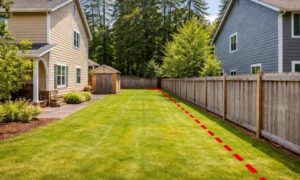
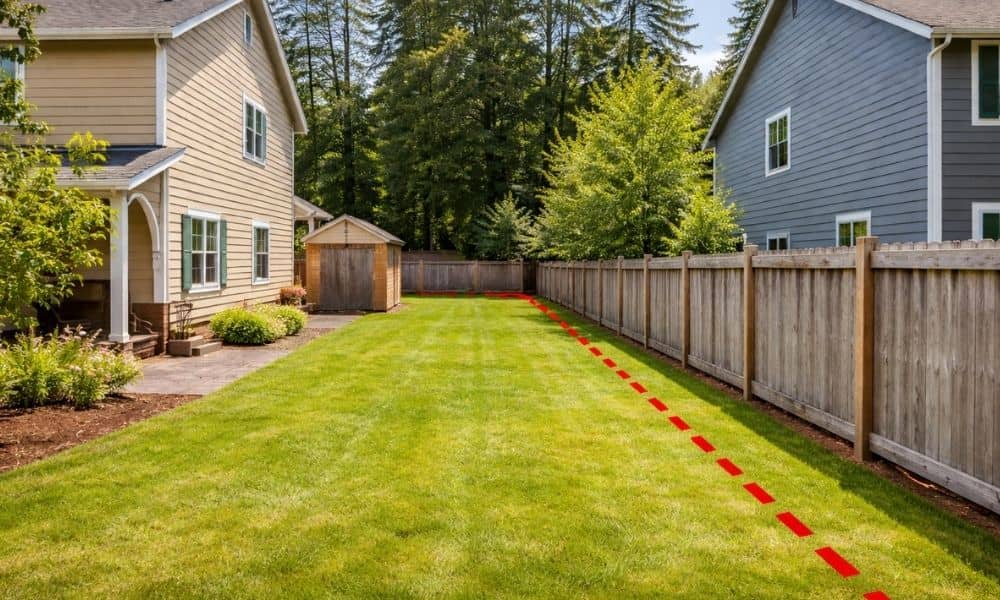
Owning property in Greenville feels simple — until you try to figure out exactly where your yard ends. Maybe you plan to build a fence. Maybe you want to add a shed. Or perhaps a neighbor casually says, “I think that tree might be on my side.” That’s when things get real. Many homeowners think they can quickly find property lines using an online map. However, what looks clear on a screen often differs from what exists on paper — and especially from what sits on the ground.
If you want to legally confirm your boundary, you need to go deeper than a satellite image. You need records, drawings, and sometimes professional help.
Why Online Property Maps Aren’t the Final Answer
It makes sense to start with Greenville County’s GIS map. You type your address, click your parcel, and see neat lines around your lot. It feels official.
However, GIS maps only provide approximate boundary outlines. They help with general reference, tax information, and parcel size. They do not mark the exact legal line that courts recognize.
In fact, small shifts in mapping data can move those lines by inches — or even feet. That difference may not seem like much at first. Still, when you build a fence or install a driveway, even a few inches can spark a dispute.
So, while GIS gives you a starting point, it cannot legally confirm your boundary.
Your Deed Holds the Legal Description
If you truly want to find property lines, your deed becomes your foundation.
Every property deed in Greenville County contains a legal description. You can access it through the Register of Deeds office, often online. Once you download it, look for the section that describes the property in detail.
You may see phrases like “Beginning at an iron pin” followed by directions and distances. This system, called metes and bounds, maps your property through measurements and angles rather than street addresses.
At first glance, it might look confusing. However, this written description carries legal weight. Courts rely on it. Surveyors rely on it. Everything else connects back to it.
In other words, if the map and the deed disagree, the deed wins.
Plat Maps Tell the Visual Story
While the deed explains your boundary in words, the plat shows it in picture form.
A plat map displays lot dimensions, neighboring parcels, road access, and sometimes easements. If you live in a subdivision in areas like Five Forks or Simpsonville, your lot likely appears on a recorded subdivision plat.
These drawings help you visualize the shape and size of your property. They also show whether utility lines cross your land or whether setbacks limit where you can build.
However, older properties outside city centers sometimes rely on older survey drawings. In those cases, landmarks described decades ago — like trees or stones — may no longer exist.
That’s why matching the plat to today’s physical land takes careful attention.
The Ground Must Match the Paper
Paper records only tell part of the story. To fully find property lines, you must connect documents to real-world markers.
Surveyors place physical corner markers, usually iron pins or rebar, at each property corner. These markers sit flush with the ground or slightly below it. Over time, grass, soil, and landscaping can hide them.
When you locate one of these pins, you stand at a true corner. However, if you cannot find them, do not guess based on fences or tree lines. Fences often sit inside boundaries. Trees rarely follow perfect lines.
Also, never move a property marker. South Carolina law protects those markers for a reason.
If the markers seem missing or unclear, that signals the need for professional measurement.
Greenville’s Unique Property Challenges
Greenville’s landscape adds another layer to the process.
First, the area blends older rural tracts with newer subdivisions. Rural properties often rely on historic descriptions that reference natural features. Over time, creeks shift, trees fall, and stones disappear. As a result, interpreting those boundaries becomes more complex.
Second, Greenville’s rolling hills can affect measurement. Sloped terrain requires careful surveying to ensure horizontal accuracy.
Finally, rapid development increases the risk of small boundary mistakes. As more homes and additions rise, precise placement matters even more.
Because of these factors, homeowners benefit from taking boundary confirmation seriously.
When a Licensed Surveyor Becomes Essential
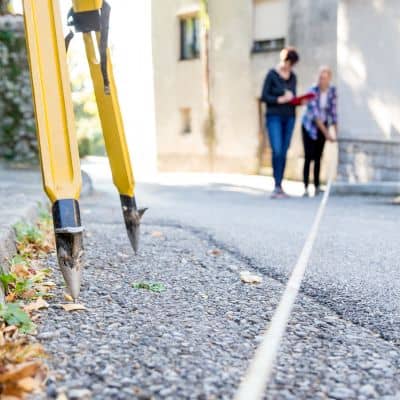
You can research deeds. You can study plats. You can even search for iron pins. However, only a licensed surveyor can officially certify your boundary.
That certification matters most when you plan to build something permanent.
If you install a fence, add a garage, or build a pool, you invest real money. If the structure crosses the boundary, removal costs far more than a survey would have.
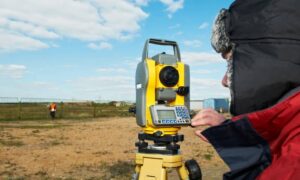
A professional surveyor researches historical records, confirms measurements using advanced equipment, and places visible markers. Then they provide a signed drawing that protects you legally.
Instead of guessing, you gain certainty.
Why Accuracy Saves Money
Property line issues rarely start as dramatic conflicts. Instead, they begin with small misunderstandings.
Maybe the neighbor’s old fence sits slightly off. Maybe a driveway edge extends further than expected. No one notices for years — until a sale or new construction brings attention to the boundary.
At that point, small mistakes grow into expensive corrections.
That’s why taking time now to properly find property lines protects your future plans. It prevents tension with neighbors. It protects your investment. Most importantly, it gives you peace of mind.
Clarity Creates Confidence
Knowing your exact boundary changes how you think about your property. You stop guessing. You stop worrying about hidden overlaps. You move forward with confidence.
So, start with the county records. Study your deed. Review your plat. Look for physical markers. Then, when accuracy truly matters, call a licensed surveyor.
In Greenville, where growth continues and property values rise, understanding where your land begins and ends remains one of the smartest decisions you can make.
Because in the end, your property line is not just a line on a screen — it’s the legal edge of your investment.