Greenville’s real estate market moves in waves. When mortgage rates dip, buyers jump back in. Homes sell faster. Offers stack up. Due diligence periods shrink. At first glance, that energy feels exciting. However, fast markets push buyers to make quick choices. And one of the first things many people drop is a home survey.
That shortcut can cost far more than people expect.
When the Market Speeds Up, Corners Get Cut
When buyers feel pressure, they look for ways to make their offer stronger. Some remove repair requests. Others shorten inspection time. Unfortunately, many skip a home survey to save time or money.
On the surface, that decision seems harmless. The house looks fine. The yard looks normal. The fence seems straight.
However, property lines don’t move just because things look neat.
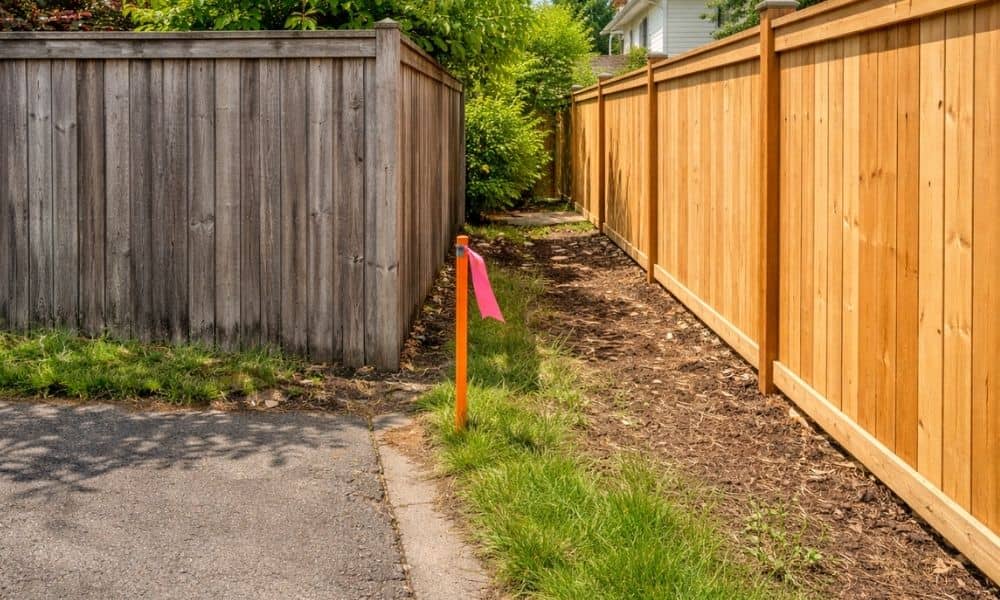
In Greenville, especially in older neighborhoods and even newer subdivisions, fences rarely sit exactly on legal boundary lines. Builders, homeowners, and contractors often install them based on convenience, not exact measurements.
As a result, what looks “right” may not be legally right.
What a Home Survey Actually Does
Many buyers confuse a home inspection with a home survey. They are not the same.
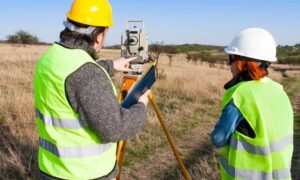
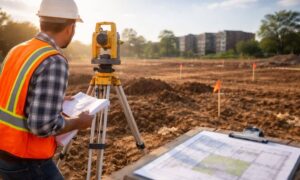
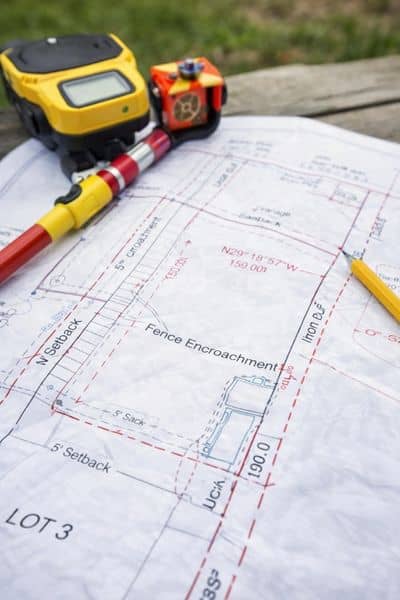
An inspection checks the structure, roof, plumbing, and electrical systems. In contrast, a home survey confirms the legal boundaries of the property. It shows exactly where your land begins and ends — not just on paper, but on the ground.
That boundary clarity matters more than most people realize. In fact, real estate groups like the American Land Title Association (ALTA) often highlight how proper documentation helps prevent ownership disputes and protects buyers during a transaction.
A survey shows:
- Exact property lines
- Corner markers
- Encroachments (like fences or driveways crossing lines)
Easements for utilities or drainage - Setback limits that affect future building
In other words, a home survey tells you what you truly own.
Without it, you rely on guesswork.
Greenville Has Its Own Common Boundary Problems
Every area has patterns. Greenville is no different.
Because many neighborhoods grew quickly over the years, small boundary issues happen more often than people think. For example:
1. Fences That Drift
Homeowners often replace old fences without confirming the original line. Over time, that fence shifts a foot or two. The neighbor builds to match it. Years pass. Eventually, someone sells.
Then the new owner discovers the fence sits inside their yard — or worse, inside the neighbor’s yard.
Now the problem feels personal.
2. Driveways Near Property Lines
Some driveways in Greenville subdivisions run close to lot edges. If that driveway crosses the boundary by even a few inches, it can create legal issues.
Fixing a driveway costs far more than ordering a home survey before closing.
3. Backyard Improvements
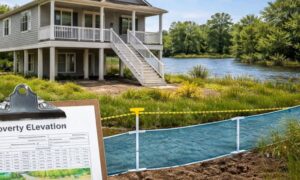
Sheds, patios, and retaining walls often sit near the rear property line. However, many homeowners forget about drainage easements.
If a structure sits inside an easement, the city or utility company can require removal.
That surprise rarely feels small.
The Real Cost of Skipping a Home Survey
At first, skipping a home survey may save a few hundred dollars. However, fixing a boundary mistake can cost thousands.
Let’s break it down.
If a fence sits two feet over the line, you may need to:
- Remove and rebuild it
- Pay for materials again
- Deal with neighbor tension
If a shed crosses into an easement, you may need to:
- Demolish it
- Rebuild it in a new location
- Repair grading or landscaping
If a dispute grows serious, legal fees enter the picture.
Suddenly, the “saved money” disappears.
Moreover, boundary issues delay resale. When you try to sell later, buyers may request a survey. If problems show up then, you carry the burden.
That situation creates stress during what should be a smooth sale.
Why Fast Markets Increase the Risk
When homes sell quickly, buyers feel fear of missing out. Therefore, they avoid anything that might slow closing.
However, speed does not remove risk.
In fact, fast markets increase mistakes because fewer people double-check details. Sellers may not know about boundary shifts. Agents may assume old plats still apply. Buyers may believe newer homes do not need surveys.
Yet improvements change over time. Fences move. Landscaping shifts. Neighbors build additions.
Even a home built ten years ago can have updated boundaries on the ground.
So while the market moves fast, the land remains fixed. Only a home survey confirms where that fixed line sits today.
When You Absolutely Need a Home Survey
Certain situations raise red flags immediately.
You should strongly consider a home survey if:
- The property has an existing fence
- The lot has an odd shape
- The home sits on a corner lot
- The yard includes a shed or detached garage
- You plan to build a fence, pool, patio, or addition
Additionally, if the seller cannot provide a recent survey that reflects current improvements, you should not assume everything lines up. Instead, protect yourself early.
If any of these situations apply, it may be worth speaking with a licensed surveyor about a professional boundary survey before you close. A quick review of the property lines now can prevent much bigger problems later.
“But the County Map Shows My Lot”
Many buyers look at online parcel maps and feel confident. Those maps help with general location. However, they do not replace a licensed survey.
County GIS lines often show approximate boundaries. They work well for viewing parcels on a screen. They do not establish legal lines for construction or disputes.
Think of it this way: a parcel map gives you a sketch. A home survey gives you precision.
And precision matters when you invest hundreds of thousands of dollars.
Peace of Mind in a Competitive Market
Buying a home already brings enough stress. You handle financing, inspections, insurance, and paperwork. Adding a boundary dispute after closing only multiplies that stress.
A home survey does more than mark corners. It gives clarity.
You know where to place a fence. You know where to build a shed. You know where your responsibility begins and ends.
That certainty helps you sleep better at night.
Moreover, if Greenville’s market continues to heat up, buyers who protect themselves will stand in a stronger position long term.
Fast Closings Should Not Mean Blind Closings
Greenville’s market will continue to shift. Rates will move. Buyers will return. Competition will rise again.
However, smart buyers do not let urgency override protection.
A home survey may feel like a small step during due diligence. Yet it prevents large problems later.
So if you plan to buy, pause before cutting that corner.
In a market that moves fast, clarity matters even more.