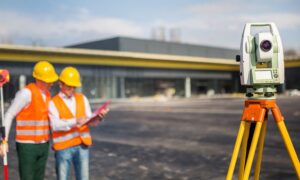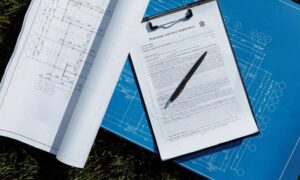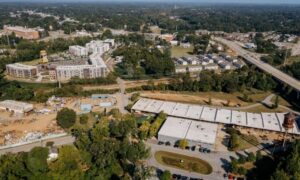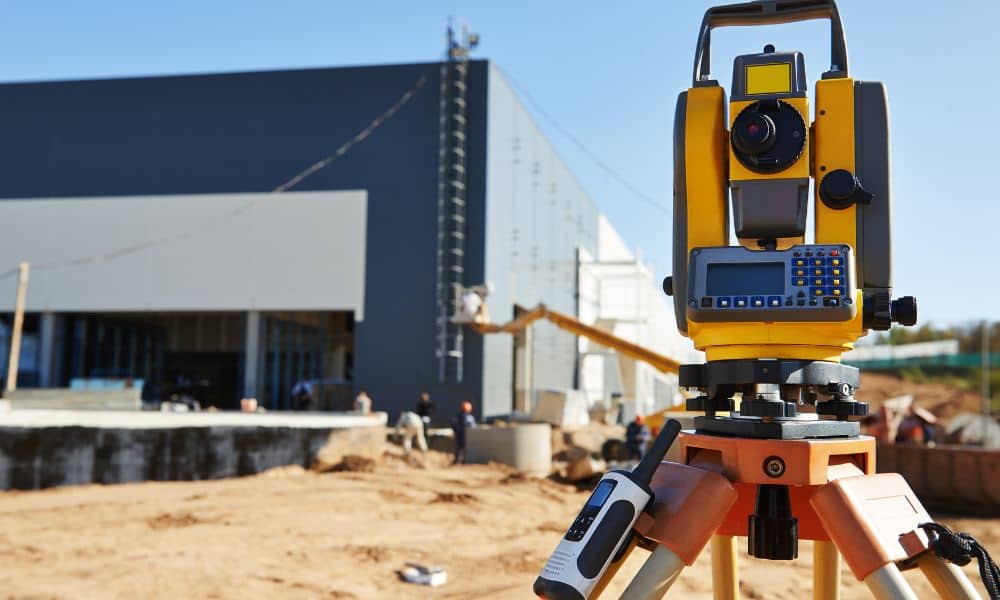
A finished project can still hide problems. What got built may not match the plans. This gap matters most at closeout. Contractors, engineers, and owners all need proof of what really exists on site. That proof comes from an as built survey. It records the final conditions after construction ends. This gives everyone a record they can trust.
In Greenville, SC, closeout means pulling together plan approvals, permit records, and inspection notes. An as built survey fits into that file. It shows what got built, not just what the plans said. Before you sign off, a few things need a second look.
Compare Final Site Conditions With the Approved Project Plans
Start by checking the finished work against the approved plans. This step matters. Changes happen on almost every job. They can come from field conditions, design tweaks, or choices made on site.
An as built survey shows where structures and utilities really sit once work ends. Comparing this to the approved plans shows if the project matches what got permitted. Maybe a building pad shifted a few feet. Maybe a utility line took a new path. Maybe a wall ended up at a different height. The as built survey catches these changes.
This step also protects your project record. If a question comes up later, the survey gives a real answer. It relies on field measurements, not memory.
Check Improvements That Affect Site Access and Use
Next, look at the features that shape how the site works. This includes driveways, parking areas, sidewalks, curb cuts, and loading zones. It also covers any features tied to how people and vehicles move through the property.
These features connect back to permit conditions. A driveway built in the wrong spot can cause access problems later. The same goes for parking counts or fire lane clearances. Site features tied to accessibility need a look too.
Checking these improvements gives you a clear record. You will know exactly what got built for site access. This record helps at closeout. It can also help later if the property changes hands.
Review Final Elevations Where Site Performance Depends on Grade
Grading and drainage depend on correct elevations. A small difference can change how water moves across a site. That’s why elevation checks matter in an as built survey.
This step often means checking finished floor heights, pad elevations, and drainage paths. You compare these against the approved grading plan. If the site was designed to send water to a certain spot, the survey shows if that happened.
Some projects sit in flood zones or have stormwater rules. For these, elevation checks can support paperwork that a lender or agency may ask for. Confirm which elevations your project needs. Ask your design team or the city early.
Resolve Field Changes Before Project Closeout
Field changes happen on most jobs. The goal at closeout is not to avoid them. The goal is to document every change that affects the final project.
First, figure out which changes need to appear on the survey. Confirm this scope with your surveyor before fieldwork starts. A change order might have moved a utility line or altered a grading detail. If it affects closeout conditions, it should show up on the final survey.
Undocumented changes cause confusion later. A future owner or inspector may not understand why the built site differs from the plans. Sort out these changes before closeout. This keeps your project record accurate from the start.
Decide Whether the Final Survey Matches the Intended Closeout Use
Last, check that the survey does its job. Different people need this record for different reasons. A lender may need it to confirm loan details. A city may need it to close out a permit. An owner may just want an accurate record of the finished project.
Before you finish closeout, check that the survey covers what the reader needs. A survey built for one purpose may not meet the needs of another. A general project record may not satisfy a permitting agency or a title company.
Confirm the intended use early. Do this before the survey takes place. This can save you from a second site visit after the project already wrapped up.
Frequently Asked Questions
Can an as built survey include changes made through construction change orders?
Yes. It can show these changes in their final field spots if they are part of the survey scope. Decide which changes need to appear before fieldwork starts.
Who determines what needs to appear on the final as built survey?
This depends on who needs the record. It could be the owner, design team, contractor, lender, or a reviewing agency. Confirm the requirements for your specific project.
Should contractors wait until every site improvement is finished?
It depends on what needs documenting. If key improvements are not done or not reachable during the survey, the record may miss some final conditions.