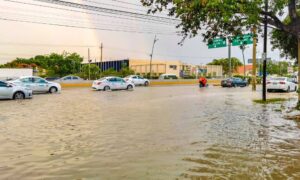
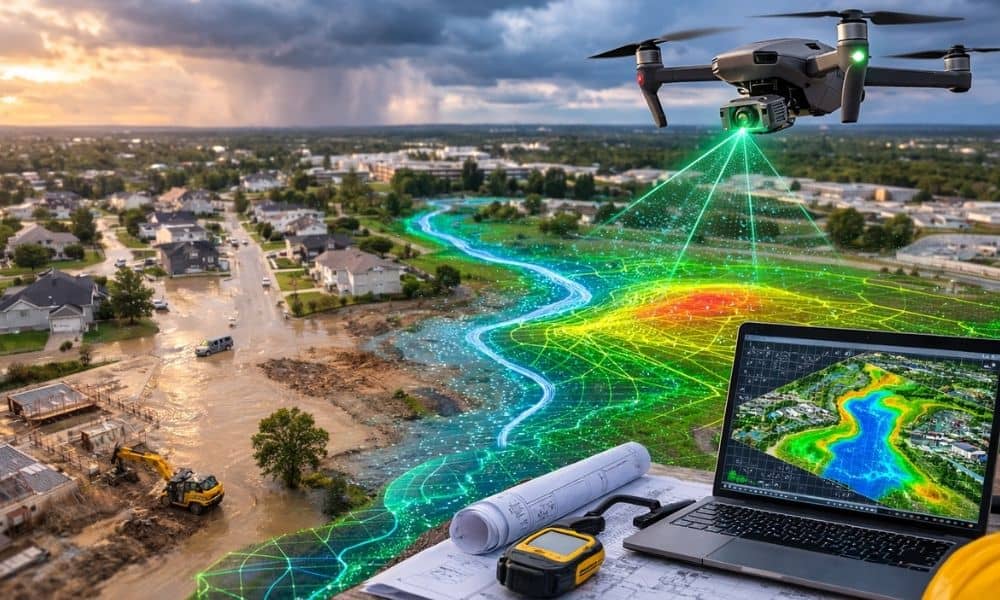
Flood disasters appear in the news more often today. A strong storm can turn quiet streets into flooded roads in only a few hours. Homes take on water, construction sites fill with mud, and neighborhoods struggle to recover. Because of this, many people now look more closely at how land handles rain. Cities like Greenville, South Carolina continue to grow. New homes, new businesses, and new roads spread across the area every year. However, when land changes, water flow changes too. Because of that, developers, property owners, and planners want better ways to understand the land before building. For this reason, lidar mapping has become an important tool for studying land and lowering flood risk.
Flood Disasters Are Changing How People Look at Land
Flood disasters often feel sudden. However, warning signs usually exist long before the storm arrives. A property may look dry during normal weather. Yet heavy rain can reveal problems that people did not see before.
For example, a small dip in the land can hold stormwater. In another case, a gentle slope may guide water toward buildings. These small land changes often go unnoticed during normal days.
Recently, large storms around the world have shown how serious flooding can be. Roads wash out, neighborhoods become cut off, and buildings suffer damage in a short time. Because of these events, people now understand that the shape of the land matters more than they once thought. As a result, many professionals now rely on tools like lidar terrain mapping to better understand the land before development begins.
Hidden Flood Risk Often Starts With Small Land Changes
Many people think flood risk only affects homes near rivers or lakes. However, flooding can happen almost anywhere when water cannot drain well. In fact, small land changes often cause the biggest problems.
A property may look flat. Yet the ground may still slope a little toward a building. In other cases, water may collect in low spots that stay hidden during dry weather. Over time, these small features can lead to standing water or flooding during storms.
Because these details are hard to see with the eye, developers sometimes find problems only after construction begins. When that happens, fixing the issue can cost a lot and take time.
For this reason, many professionals now want clearer land information before they start designing a project.
Growth in Greenville Is Changing How Water Moves
Greenville continues to attract new residents and businesses. Neighborhoods grow, roads become wider, and commercial areas expand. While this growth helps the local economy, it also changes how water moves across the land.
In the past, trees and soil absorbed much of the rain. However, buildings, driveways, and parking lots now cover much of that land. Because pavement cannot absorb water, rain moves faster across the ground.
As a result, water may collect in places that have never flooded before. Because of this, developers must think more about drainage when planning projects.
That is why many professionals now turn to detailed terrain mapping to understand how water may move across a site before construction begins.
How LiDAR Mapping Helps Identify Flood-Prone Land
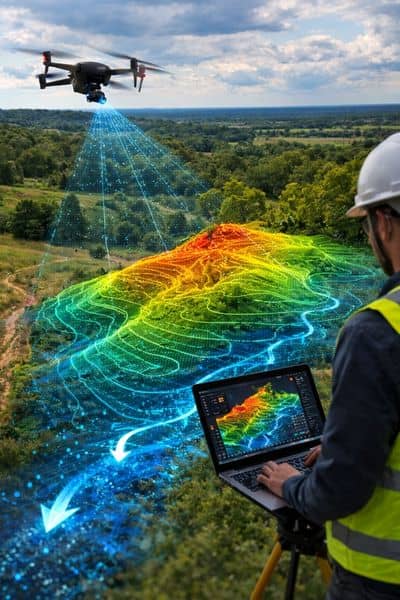
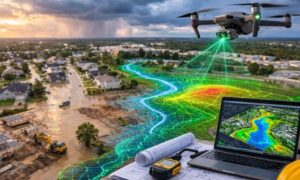
When engineers or surveyors study land, they need more than a simple look at the surface. They must understand the small details that affect drainage and water flow. This is where lidar mapping becomes useful.
Lidar creates very detailed models of the ground. These models show small elevation changes across a property. Even tiny changes in height can appear clearly in the data.
Because of this detail, professionals can see slopes, dips, and drainage paths that may stay hidden in normal views.
With this information, planners can better understand how water may behave during heavy rain. As a result, they can design projects that guide water away from buildings and roads.
Because of that, lidar mapping helps lower the chance of unexpected flooding after construction.
Property Owners and Developers Are Paying Closer Attention
Flood disasters have pushed many property owners to ask new questions about land. Instead of thinking only about location or size, buyers now want to know how land handles water.
Developers also face pressure to plan drainage carefully. A poorly planned site can cause flooding not only for one property but also for nearby homes.
Because of this, professionals now study land earlier in the planning process. When they review land data early, they can design projects that handle stormwater more safely.
In many cases, lidar mapping gives the information needed to make these decisions with confidence.
Early Land Study Helps Prevent Costly Surprises
Drainage problems can slow construction and raise project costs. For example, engineers may need to change grading plans if water collects in the wrong place. Contractors may also need to adjust drainage systems or move building areas.
These changes can delay a project and increase expenses. However, when professionals understand the land early, they can fix problems before construction begins.
Because of this, many developers now study land conditions earlier in the process. With better land data, they can avoid surprises and keep projects moving forward.
Cities Like Greenville Are Preparing for Future Storms
City leaders also see the need to understand land shape and drainage paths. As communities grow, stormwater systems must handle more rain. Roads, bridges, and neighborhoods all depend on good drainage design.
Because of this, planners now rely more on clear land data when reviewing development projects. Detailed terrain information helps cities plan infrastructure and lower flood risk.
For this reason, lidar mapping continues to play a bigger role in land study and planning.
Flood Events Remind Us Why Land Shape Matters
Flood disasters often seem unpredictable. Yet many floods connect closely to land shape, drainage paths, and elevation changes. When these features are not well understood, communities may face greater risk during storms.
Today, property owners, developers, and planners want clearer insight into how land behaves during heavy rain. Understanding the land before building has become an important step in responsible development.
For cities like Greenville, this approach supports safer growth. By studying land carefully and planning drainage wisely, communities can lower flood risk and protect future development.
Because of this, lidar mapping continues to gain attention as an important tool for understanding land and preparing for future storms.