
If you’ve ever asked for a boundary survey and felt surprised by the price, you’re not alone. Many homeowners expect the cost to be fairly low, especially when the request sounds simple. You might think, “I just need one line marked,” or “It’s only a few stakes in the ground.” Because of that, the number on the quote can feel confusing or even frustrating.
That reaction is common. Still, what most homeowners expect and what a boundary survey actually involves are very different things. Once you understand what goes on behind the scenes, the cost starts to make a lot more sense.
Why the Price Feels Higher Than Expected
Most homeowners judge the work by what they can see. The yard looks small. The lines seem obvious. Online maps show clean boundaries. As a result, it feels reasonable to assume the job should be quick and inexpensive.
However, boundary survey cost has very little to do with how simple a property looks. Instead, it reflects the work needed to confirm where legal ownership truly begins and ends. Surveyors are not pricing paint or stakes. They are pricing certainty.
That difference often explains the initial shock.
“I Only Need One Line” Sounds Simple—But It Isn’t
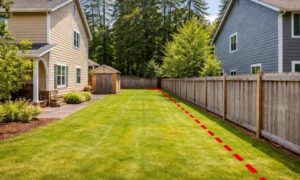
One of the most common frustrations you’ll see online comes from homeowners who say they only need one side of their property marked. This concern shows up often in forums and Reddit discussions. On the surface, the request feels reasonable.
The issue is that a single boundary line does not exist by itself. Every line depends on verified endpoints. Those endpoints rely on evidence that must be reviewed, compared, and confirmed. To do that correctly, surveyors often need to examine more than one corner or neighboring record.
Because of this, boundary survey cost cannot be priced by the number of lines requested. The work required to stand behind one line is often the same work needed to confirm the full boundary.
What You’re Actually Paying For

A large part of a boundary survey happens before any equipment is set up on your property. This behind-the-scenes work plays a major role in the final cost.
Surveyors begin by reviewing property records. They examine deeds, plats, and past surveys to see how the land has been described over time. Then, they compare those records with nearby parcels to look for conflicts or gaps.
Next, they evaluate physical evidence on the ground and determine how it aligns with the records. This step requires experience and professional judgment, not guesswork. After that, surveyors calculate and verify their findings to make sure the boundary they mark can hold up if questions come up later.
While homeowners see stakes and flags, the real value lies in the analysis that supports them.
Liability Plays a Bigger Role Than Most People Realize
Another reason boundary survey cost surprises people is liability. When a surveyor certifies a boundary, they accept legal responsibility for that decision. That responsibility can last long after the survey is complete.
If a boundary is wrong, the surveyor may face claims or legal challenges in the future. Because of that, shortcuts are not an option. Each step must be done carefully and correctly.
This level of responsibility explains why even small properties require serious attention. The cost reflects the risk the surveyor takes on when they sign and seal the work.
Why Your Neighbor’s Price Doesn’t Tell the Whole Story
Homeowners often compare prices with neighbors. Someone nearby paid less, so it feels natural to question the difference. However, this comparison rarely tells the full story.
No two properties share the same history. One lot may have clear records and visible markers. Another may have conflicting documents or changes that complicate the work. Even properties that look similar can require very different levels of effort.
Because of that, boundary survey cost depends on conditions, not appearance or lot size.
Why Fence Projects Bring the Most Sticker Shock
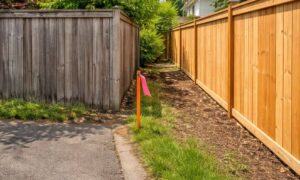
Fence projects trigger more survey requests than almost anything else. Homeowners want to build quickly and avoid problems, so they reach out for a survey right before construction starts.
At that point, the cost can feel especially painful. Budgets are already tight, and the fence itself feels straightforward. However, fences make boundaries permanent. Moving one later can be expensive and stressful.
That’s why surveyors must be careful when a fence is involved. The cost often prevents much larger problems down the road.
Can the Cost Be Lower?
Sometimes, yes. It depends on the situation. In certain cases, existing records or past surveys can reduce the scope of work. In other cases, limited services may be appropriate.
Still, saving money should never mean lowering certainty. Homeowners should ask clear questions about what a service includes and what level of confidence it provides. A good surveyor will explain the options honestly and help set the right expectations.
Final Thoughts
Boundary survey costs often feel high because expectations don’t match reality. Homeowners picture simple field work, while surveyors must deliver legal confidence and accept long-term responsibility.
You are not paying for stakes or paint. You are paying for research, judgment, and accountability. More importantly, you are paying for clarity that protects your property now and in the future.
When you understand that, the cost no longer feels like a surprise—it feels like a smart investment.