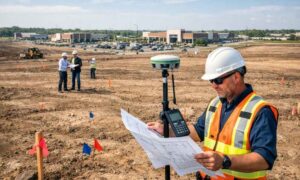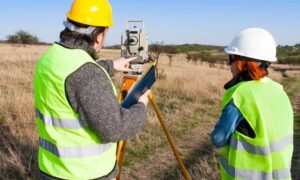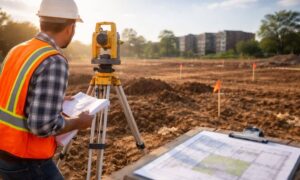

Greenville is growing fast, and anyone who drives around the city can see it. New neighborhoods are rising, older buildings are getting remodeled, and commercial sites are being cleared for the next wave of development. With so much construction happening at once, builders and property owners face more pressure to get every step right. That’s why a construction survey has become more important than ever. It gives every project a true starting point, keeps the layout accurate, and helps avoid costly mistakes as Greenville continues to expand.
Over the past few years, Greenville has become one of the most active construction zones in the Carolinas. More engineers, architects, and contractors are entering the market, and new development plans appear almost every week. All this growth brings opportunity, but it also brings challenges. Construction timelines are tighter, lots are smaller, and zoning rules are stricter. Even small errors can slow down an entire project.
Fortunately, one simple step makes a huge difference: using a construction survey early in the building process.
A Construction Survey Turns Blueprints Into Real-World Accuracy
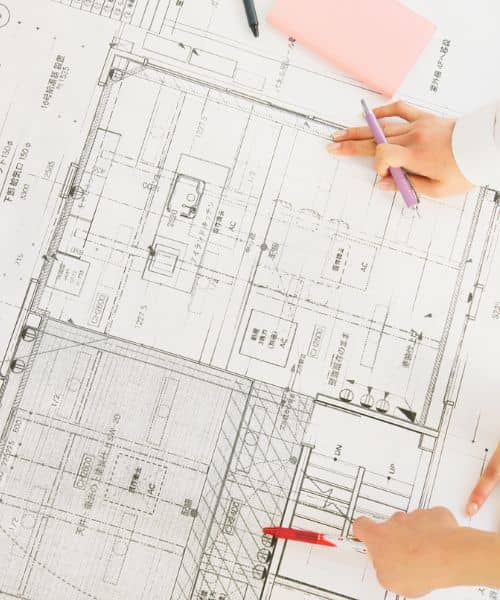
Every project begins with a plan. But a plan on paper isn’t enough. A construction survey checks the layout, elevation, and alignment of a project so builders always work from accurate information. It connects the design to the land itself.
In a growing city like Greenville, this matters a lot. Many projects happen on infill lots or older parcels where past measurements or online maps don’t match current site conditions. Some boundaries may be unclear. Some easements may not be obvious. A property might have changed hands several times. And the ground may not sit at the elevation the plans assume.
A construction survey catches these issues before work begins. Surveyors verify the layout, measure the height of the pad, mark the proper building footprint, and confirm that lines, corners, and elevations match the approved designs. When builders start from accurate data, the rest of the project becomes easier.
Greenville’s Growth Brings More Activity—and More Possibility for Errors
As Greenville grows, more builders, subcontractors, and crews work at the same time. That means multiple people share the same space, rely on the same plans, and move fast to stay on schedule. This is where small mistakes happen most often.
For example:
- On a tight city lot, even a foot of error can push a building over a setback line.
- If the planned pad elevation is wrong, the finished building may not pass review.
- Retaining walls, driveways, parking areas, and walkways need exact measurements to meet code.
- Grading errors cause water to drain the wrong way or collect in problem areas.
These issues don’t begin with dramatic failures. They usually come from simple layout mistakes that go unnoticed until later. That’s why a construction survey is so important during Greenville’s building boom. It reduces errors when crews are moving quickly and space is limited.
Fast-Moving Projects Need Strong Data From Day One
Construction schedules move fast in Greenville. Materials arrive early, crews work back-to-back shifts, and inspections happen quickly. But rushing at the start often leads to problems. A construction survey brings order before the chaos begins.
Surveyors confirm the building footprint, verify the elevation, and check the horizontal and vertical control points. They make sure the plan fits the site and the site matches the plan. When everything lines up, builders pour concrete, install walls, and shape the land with confidence.
Even better, accurate surveying keeps the project steady through inspections. Greenville has firm development rules, and inspectors expect clear evidence that a project matches its approved design. A construction survey backs that up with precise measurements.
Common Problems Happening on Greenville Job Sites Today
You can see where things go wrong just by looking at projects around the city. Builders face challenges such as:
- Pads poured before elevations were confirmed
- Buildings pushed too close to the boundary line
- Parking lots that slope in the wrong direction
- Retaining walls that don’t match the plan
- Driveways or walkways poured before layout checks
- Site plans that don’t reflect actual field conditions
These issues slow down approvals, lead to redesigns, and create extra work for crews. None of this is unusual in a booming city. But a construction survey helps prevent these problems by catching mismatches early.
Why Builders Should Bring In a Surveyor Earlier Than Ever
Many builders wait until right before construction begins to order a survey. But with Greenville’s current pace, that timing is too late. The safest—and smartest—approach is to involve a surveyor early in planning.
Early surveying allows time to:
- Verify easements and setbacks
- Identify missing or unclear boundary markers
- Compare older plats with modern data
- Check site elevations before grading
- Ensure architectural plans fit the actual parcel
During the project, surveyors can return at key moments to verify progress. When the pad is graded, they confirm the height. When walls go up, they check alignment. When parking areas form, they confirm slope and layout. These checks protect the project at each stage.
After construction finishes, an as-built survey records the final results. It’s useful for closing documents, future additions, and resale value.
Accuracy Matters Most During Periods of Growth
Greenville’s growth is exciting. New jobs, new homes, and new opportunities come with it. But growth also increases pressure on builders, developers, and property owners. As more projects compete for land, time, and approval, accuracy becomes the strongest tool on the job site.
A construction survey delivers that accuracy. It keeps the project aligned with the approved plans. It prevents small layout errors from becoming big headaches. It reduces delays, protects budgets, and helps builders stay compliant.
As Greenville continues to expand, one thing is clear: the projects that start with careful surveying end with fewer surprises.
Conclusion:
Greenville’s building boom shows no signs of slowing down. If anything, the city’s pace is speeding up. That makes accuracy and planning more important than ever.
A construction survey supports every part of a project, from the earliest design check to the final walk-through. It gives builders and property owners confidence, keeps sites organized, and prevents costly mistakes in a fast-changing market.
In a growing city like Greenville, the smartest projects always begin the same way—with a reliable construction survey guiding the path forward.