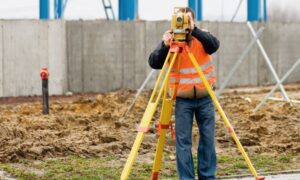
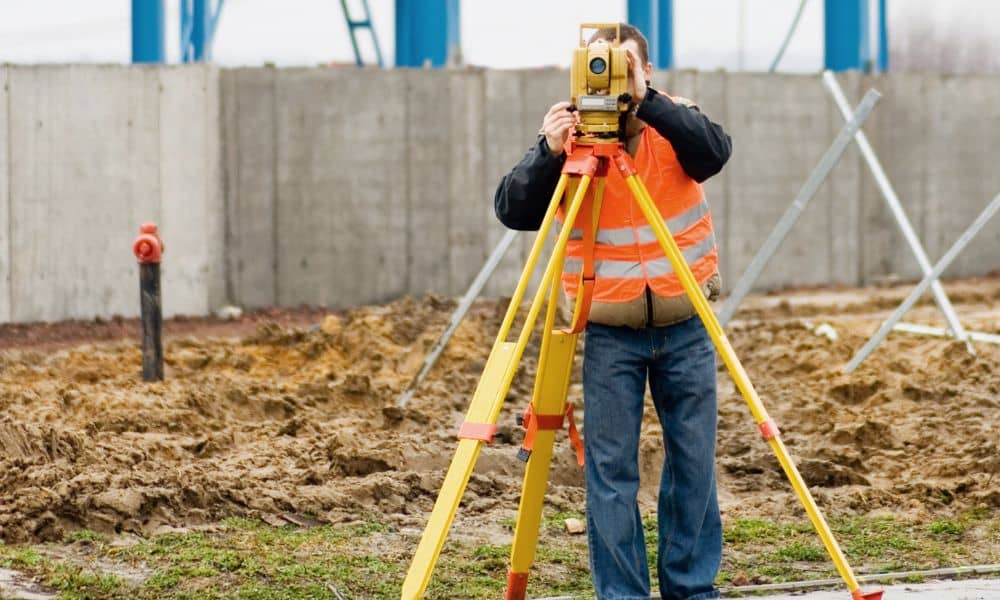
Weather can change plans quickly. In Greenville, recent storms forced a popular new stadium project to delay its opening. The team building the stadium pushed the first match back by weeks because ice and snow slowed work and made the site hard to use. This kind of weather doesn’t just affect stadiums. It affects homes, offices, and every construction project where land gets altered. That’s why a topographic survey matters so much. It gives builders and developers detailed site information, showing how the land slopes, where water flows, and which areas might need extra attention. With that information, teams can make smarter decisions before any construction even starts, instead of reacting to problems after the weather hits.
What Always Comes First: Knowing Your Land
Before construction begins, builders need to know exactly what they’re working with. That means understanding how the land slopes, where water will flow, and which areas might stay wet after rain. A topographic survey does all of this by showing the shape of the site in detail.
It highlights hills, valleys, slopes, and flat areas. It even maps streams, ditches, and other natural features. Engineers and builders often turn to professional site mapping services to make sense of this information. These services take the survey data and turn it into clear, usable plans so construction can move forward without guesswork or surprises.
How Weather Makes Topographic Data Even More Important
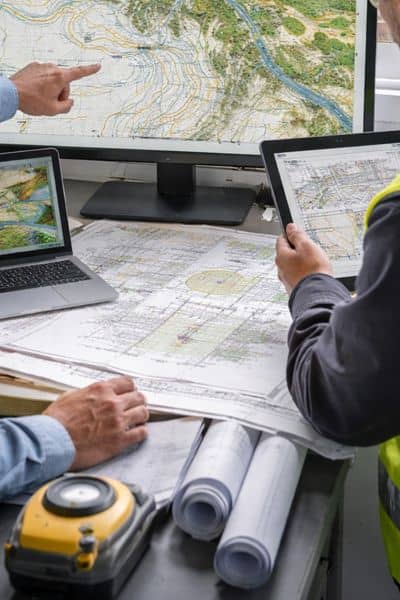
Picture this. A crew plans to pour concrete for foundations. They look at old maps or aerial photos. But recent storms have changed how the land drains. After heavy rain, water now collects in a spot that looks dry on paper. That wasn’t obvious without a survey.
Although storms like these can’t be predicted months in advance, a topographic survey can show areas that are more likely to hold water or erode after heavy rain. With this data, builders can plan grading and drainage to reduce weather impact. They can also plan roads, utilities, and equipment placement so they are safer and more efficient when weather changes.
Why Builders Lose Time and Money Without a Good Topographic Survey
Weather doesn’t just slow work. It can also cause big problems that cost time and money to fix. Without accurate land data:
- Water might flow toward a building instead of away from it
- Soil might erode and expose foundations
- Crews might have to redo grading or excavation
- Drainage systems might not work as planned
A topographic survey can help prevent those problems. It gives a clear picture of slopes and drainage paths before ground gets disturbed. That helps designers plan stormwater systems that work well even after rain.
For example, if a site has low spots where water collects, the survey shows where and how water moves. A good design uses that information to redirect water safely. That keeps water from pooling around structures, driveways, or walkways.
Real Greenville Case: Weather Affects a Big Build
Let’s look at what happened locally in Greenville. The new soccer stadium project is planned to open in May. But storms hit with ice and snow in that area. Workers couldn’t install materials or finish outdoor tasks while they battled slick surfaces and cold ground. This pushed the opening date back.
Now think about a smaller project, like a home foundation or new office pad. Bad weather can still slow work. If land isn’t prepared with a clear understanding of drainage and elevations, rain or ice can force crews to pause while they decide what to do. That costs money.
A topographic survey helps teams plan around weather in two ways:
- It shows natural drainage paths, so builders know where water will go.
- It shows land slopes and elevations, so crews can plan grading to avoid water problems.
This lets teams adapt their schedule and design long before the first shovel hits the ground.
How a Topographic Survey Helps Beyond Weather
Weather is one reason to use a topographic survey. But there are other good reasons too.
First, many building permits require accurate land data. Local governments want to know how construction will affect drainage, runoff, and nearby properties.
Second, engineers need precise elevation details to design strong foundations and safe roads. This means less guesswork and fewer surprises.
Third, a survey helps estimate costs. Knowing how much earth must be moved or how drainage must be built gives a clear picture of real project needs.
Finally, a topographic survey builds trust among everyone involved — owners, builders, engineers, and city planners. When everyone works from the same accurate data, construction goes smoother.
Getting the Most from Your Topographic Survey
If you plan construction, it’s smart to hire a licensed surveyor early. A licensed surveyor knows how to collect accurate data. They use tools like GPS, total stations, and sometimes drones to map the land. Surveying companies near you can produce maps that show every important detail before work begins.
Here are ways to make the most of your topographic survey:
- Ask for detailed elevation contours and spot elevations
- Request digital maps your design team can use
- Combine it with boundary and grading plans
- Update the survey if site conditions change before construction
Doing this sets your project up to handle weather and other surprises better.
Conclusion: Don’t Wait Until Weather Hits You Hard
Weather can delay projects big and small. In Greenville, recent storms pushed back a major stadium opening and reminded builders how conditions matter. But the weather doesn’t have to be a surprise.
A topographic survey gives you the land data you need to plan right. It shows slopes, water paths, and risks before construction starts. With that information, you can design drainage, grading, and foundations that work well even after storms.
If you are planning construction, schedule a topographic survey early. Your timeline and bottom line will thank you.