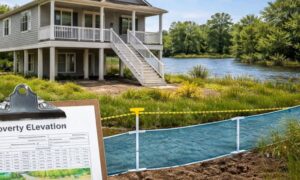
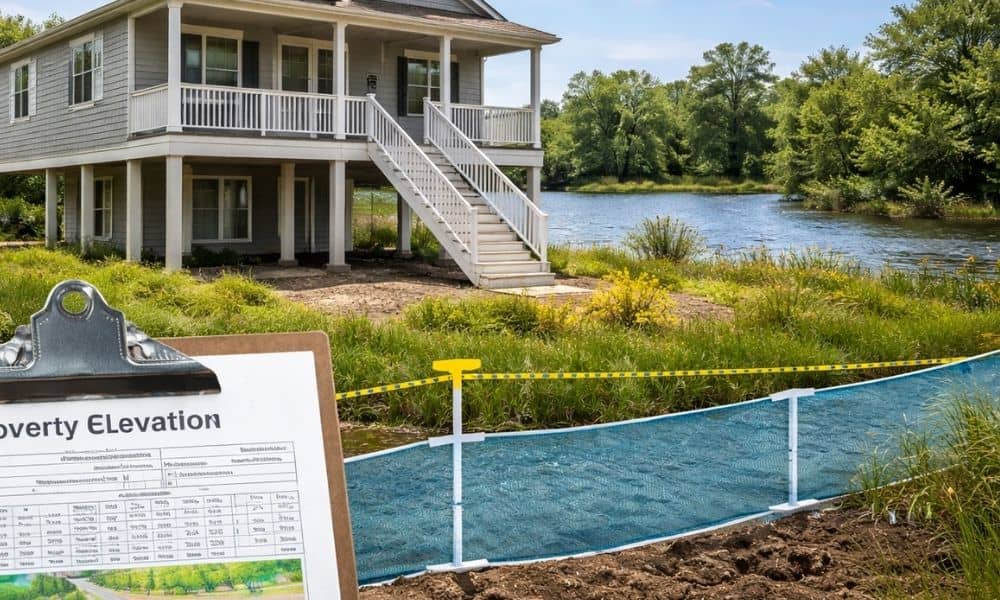
Planning a project often starts with excitement. You may already be thinking about designs, materials, or even timelines. However, many property owners move too quickly into permits and planning without checking one key detail first. That detail is your property’s elevation. It’s something most people don’t think about right away, but taking a moment to understand your property’s elevation before planning can make a big difference once you get further into the process. An elevation certificate may not seem like a priority at the start. Still, it plays a major role in how smoothly your project moves forward. In many cases, it helps you avoid delays, extra costs, and last-minute changes before permits are even approved.
Why Elevation Matters Before You Apply for Permits
Most people think flood concerns only come up after a storm or during insurance discussions. However, in Greenville, elevation can affect your project much earlier.
Before permits get approved, reviewers often look at how your property sits in relation to flood levels. If that information is missing, your application may slow down. In some cases, it may even come back with comments that require changes.
Because of this, checking elevation early gives you an advantage. Instead of reacting to problems, you prepare for them ahead of time. As a result, your project stays on track.
What an Elevation Certificate Really Tells You
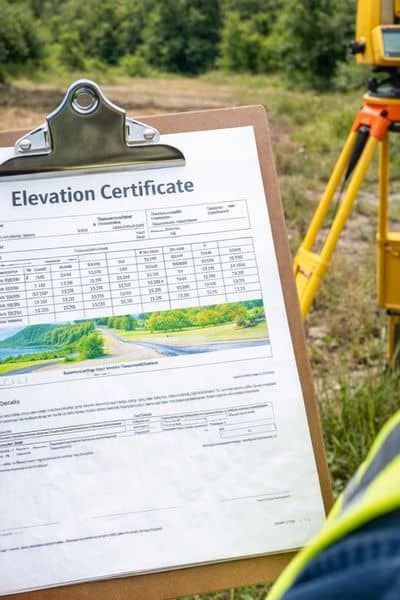
An elevation certificate shows how high your property or structure sits compared to expected flood levels. While that may sound technical, the idea is actually simple. It gives you a clearer picture of what’s going on with your property before you move forward.
When you look at it more closely, what an elevation certificate tells you about your property starts to make a lot more sense, especially once you begin thinking about permits and planning.
For example, it can point out whether your design may need small changes before approval. It can also give you an early idea of possible insurance or documentation needs.
Instead of guessing, you’re working with real information. Because of that, your decisions feel more confident and less uncertain.
How It Helps You Make Better Decisions Early
Every property has its own conditions. Some areas sit higher, while others are closer to low spots or natural drainage paths. Because of this, two nearby properties can have very different outcomes during planning.
When you have an elevation certificate early, you gain clarity. You can move forward with confidence because you understand what your property needs.
You also avoid second-guessing your decisions. Rather than wondering if something might cause a delay, you already have the information to guide your next step.
This makes the entire process feel more controlled and less stressful.
Avoiding Costly Changes Before They Happen
One of the biggest problems property owners face is spending money too early. Many people invest in full plans or submit permits without checking elevation first. Later on, they find out changes are needed.
At that point, costs begin to add up.
Plans may need revisions. Timelines may shift. In some cases, you may even have to go back and fix things that could have been avoided from the start.
However, when you use an elevation certificate early, you reduce that risk. You understand what’s required before you commit. Because of that, your budget stays more predictable.
Timing Makes a Bigger Difference Than You Think
Many people assume they can deal with elevation details later in the process. While that may seem easier at first, it often leads to delays.
Instead, it helps to think of an elevation certificate as one of your first steps. Before you finalize plans or apply for permits, having that information puts you in a stronger position.
You don’t have to pause your project halfway through. You don’t have to wait for corrections or additional reviews. Instead, you move forward with fewer interruptions.
Why Some Owners Run Into Problems
Even experienced property owners can overlook this step. Often, they rely on general map data or assume their property is similar to nearby lots.
However, small differences in elevation can lead to very different results.
In other cases, people wait until someone asks for an elevation certificate. By then, the project is already moving, and any delay becomes more frustrating.
There is also confusion between different types of surveys. Not all surveys provide the same information. An elevation certificate focuses on height and flood-related details, which makes it unique.
Because of these misunderstandings, projects can slow down when they don’t need to.
How It Fits Into Your Overall Planning
An elevation certificate is not something you add at the end. Instead, it fits into the early stages of planning.
Before you lock in designs or submit paperwork, it helps you understand your property better. It works alongside other steps, but it serves a different purpose.
While other surveys may focus on boundaries or land features, this one focuses on elevation. That difference matters when you are preparing for permits and approvals.
When you include it early, your planning becomes more complete.
Why Working With a Licensed Professional Matters
Getting accurate elevation data is important. Even small errors can affect how your project moves forward.
That’s why working with a licensed land surveyor makes a difference. A professional knows how to gather the right data and present it correctly.
More importantly, they understand how timing affects your project. When you work with the right expert early, you avoid unnecessary delays and confusion later.
This helps you stay focused on building, not fixing problems.
Plan Smarter Before You Build
Starting a project without checking elevation can lead to setbacks that are hard to predict. While everything may seem fine at first, issues can appear once plans are reviewed.
On the other hand, using an elevation certificate early gives you a clear path forward. You understand your property before making big decisions.
Because of that, your project moves more smoothly. You avoid surprises, control your costs, and stay on schedule.
In the end, taking this small step early can make a big difference in how your project turns out.