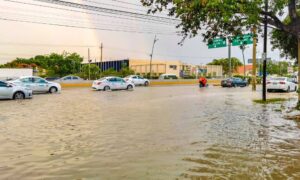
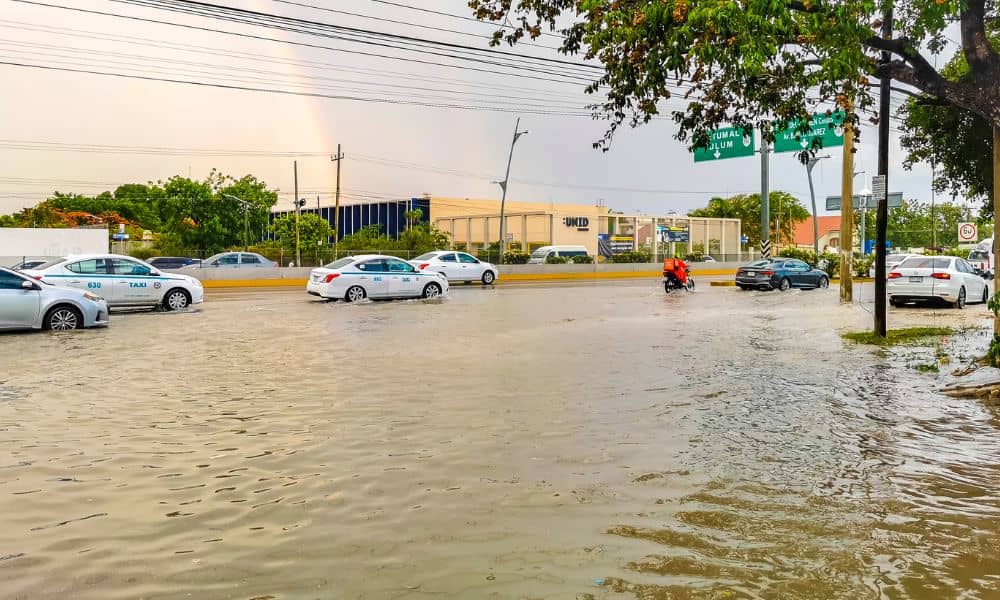
When a flood warning hits Greenville, many homeowners feel uneasy. You see the alert, you watch the rain, and you start to wonder: Is my property at risk? More importantly, you might ask: Do I need an elevation certificate now?
That question shows up fast after any major weather alert. However, not every flood warning means you must order new documents or pay for new surveys. Instead, you need the right steps and the right checks. Let’s walk through this clearly and simply so you can decide what makes sense for your property.
A Flood Warning Does Not Automatically Change Your Property Status
First, let’s clear up a common misunderstanding. A flood warning tells you that flooding may happen or is happening in an area. It does not mean your flood zone changed overnight. It also does not mean your lender or insurer will automatically require an elevation certificate.
However, flood warnings often trigger reviews. Lenders, insurers, and buyers tend to look closer at risk right after a storm alert. As a result, document requests sometimes appear days or weeks later. That’s why preparation matters.
So instead of rushing to order paperwork, you should verify your situation first.
Start With a Quick Property Risk Check
Before you spend any money, take about 15 minutes to review your property details. This step alone saves many owners from unnecessary orders.
Start with your address. Check your local flood map tools for Greenville and Greenville County. Look at the mapped flood zones near your parcel. Next, notice nearby creeks, drainage paths, and low ground. Even a small stream behind a property can affect how risk gets reviewed.
Then check your house type. A raised foundation, crawlspace, or slab-on-grade structure sits at different heights. That difference matters when elevation comes into play.
Also, pull your insurance declaration page if you have one. Look for any mention of flood rating or elevation data. Sometimes the insurer already has what they need.
Because of this quick review, you may learn that no new elevation certificate is needed at all.
Many Owners Already Have an Elevation Certificate — They Just Don’t Know It
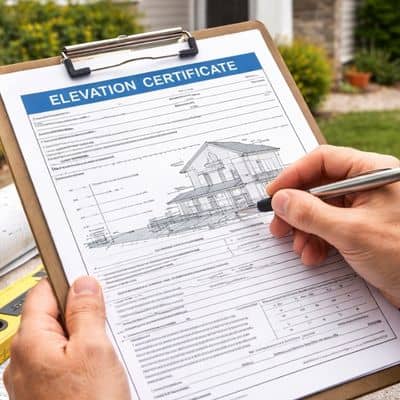
Surprisingly, many elevation certificates already exist but sit buried in files.
For example, you might find one inside your closing documents from when you bought the home. Some lenders store them in underwriting portals. Flood insurance carriers sometimes keep them on file too. In newer neighborhoods, builders often ordered them during construction.
You can also check with your local floodplain office. They sometimes keep copies for permitted structures.
Therefore, always search first. Ordering a duplicate elevation certificate wastes both time and money.
When a Flood Warning Makes an Elevation Certificate More Important
Now let’s talk about the situations where timing actually matters.
A recent Greenville flood warning can push lenders and insurers to double-check files. When that happens, they may ask for missing elevation data. You should pay attention if any of these apply:
You are under contract to buy or sell a property. You are refinancing and underwriting reviews of your file. Your flood insurance policy is up for renewal. You plan repairs or improvements after water exposure. Your lender sends a compliance document request.
In these cases, an elevation certificate helps answer questions quickly. It shows the structure height compared to expected flood levels. That clarity often keeps deals and policies moving.
What to Ask Your Insurance Agent Right Now
Instead of guessing, call your insurance agent and ask direct questions. This step gives you real answers fast.
Ask if your policy uses elevation data now. Ask if they already have an elevation certificate on file. Then ask whether updated elevation information would change your rating.
These questions guide your next move. If the agent says no elevation data is required, you can relax. If they say underwriting wants it, you know what to do next.
Because you asked first, you avoid blind spending.
What to Ask Before You Hire a Surveyor
If you do need an elevation certificate, talk with a surveyor before scheduling. A short call prevents mistakes.
Ask whether you need a full elevation certificate or just elevation verification for a lender. Ask about turnaround time if you face a closing deadline. Also ask what access they need to the structure and crawlspace.
A qualified surveyor will explain the scope clearly. That conversation protects you from ordering the wrong service.
Real Situations Greenville Owners Face After Flood Alerts
Let’s look at a few common scenarios.
A buyer goes under contract on a home near a creek. Then a flood warning hits the region. The lender rechecks the file and asks for elevation data. The buyer finds an existing elevation certificate from the builder and saves a week of delay.
Another owner renews flood insurance. After regional storms, the insurer audits several policies. They request elevation documentation. The owner’s surveyor completes a new elevation certificate, and underwriting finalizes the renewal.
A third owner sees water ponding in the yard but lives outside the mapped flood zone. No lender trigger exists. No insurance trigger appears. In that case, no elevation certificate becomes necessary.
Each case differs. Therefore, the trigger matters more than the weather headline.
A Simple Decision Guide You Can Follow
Here’s a practical way to decide your next step.
Order an elevation certificate soon if your lender requests it, your closing date approaches, or underwriting flags elevation data.
Check your records first if no one has requested it but you feel unsure.
You likely don’t need one right now if you sit outside mapped flood zones and no lender or insurer has contacted you.
This simple logic keeps your decision grounded.
The Smart Move After a Flood Warning
Flood warnings create stress. However, smart property decisions come from documents, not fear. An elevation certificate works as a proof tool, not a panic purchase.
So check your maps. Then check your files. Next, call your agent. After that, talk with a surveyor only if needed.
When you follow that order, you stay in control. And when you stay in control, you protect both your time and your money.
If you feel unsure about your property, a quick professional review can tell you whether an elevation certificate makes sense now — or not at all.