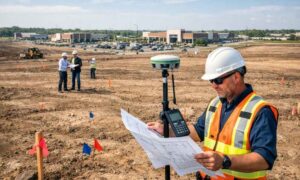

Architects and planners need precise land data before they begin a project. Without it, they risk delays, design conflicts, and approval setbacks. In Greenville SC, an ALTA survey gives the verified site details needed for clear layouts, smart planning, and early coordination across design teams.
Setting the Ground Rules for Design Accuracy
Every project starts with defining where it can legally be built. When property lines are unclear or easements are missing, designers may place buildings or features in the wrong spot. This leads to changes, delays, or compliance issues.
An ALTA survey maps boundaries, access rights, and other land features. It gives a trusted base for interpreting what part of the land is buildable and what areas must be avoided. This helps teams work with certainty from the start.
Turning Land Data Into Practical Design Insight
Survey markings on paper don’t mean much until they are connected to real design needs. Architects and planners use ALTA data to guide where buildings, parking areas, and access points should go.
ALTA surveys also show existing features like fences, sidewalks, or building corners. This helps the team design around current site elements. Verified data removes the need for guesswork during early layout and concept development.
Linking ALTA Surveys to Design Compliance
Building designs must follow rules related to property lines, setbacks, buffers, and access. ALTA surveys make these rules easier to follow because they show:
- Actual distances from boundaries
- Easements that may affect structure location
- Road or utility access already recorded with the title
This ensures that layouts meet local zoning laws and development codes. It also helps prevent the need to revise plans after submission.
Bridging Technical Gaps Between Surveying and Design
Once the ALTA survey is complete, it becomes part of the design process. Teams use it in planning software, 3D modeling tools, and CAD platforms. Sharing the same survey file keeps all disciplines on the same page.
The data also helps engineers plan for drainage, utilities, and foundation systems. By working from one verified source, the team avoids design conflicts or overlaps that could slow down construction.
Using Survey Clarity to Strengthen Approval Readiness
City and county offices require accurate documents before approving a project. ALTA surveys help planners prepare strong submissions by showing clear legal and physical land features.
Survey data cuts down on correction requests and back-and-forth with agencies. This is especially helpful in fast-track projects or in sites that need phased approvals. Verified surveys speed up permitting by giving officials what they need to check site compliance.
Greenville-Specific Design Pressure Points Solved with ALTA Surveys
Greenville SC has unique development challenges. Some older properties have irregular shapes or overlapping property records. Suburban parcels may have topographic or underground utility limits that impact layout. That’s why many teams rely on land surveying services to get updated measurements, confirm access, and uncover encroachments before planning begins.
ALTA surveys help overcome these issues by providing updated land measurements, access details, and encroachment data. This information also helps teams comply with local design overlays, setbacks, and street frontage rules.
Design Sectors That Rely on High-Precision Land Data
Many sectors use ALTA survey data to guide their projects, including:
- Urban infill buildings that must work with tight space and shared walls
- Public facilities like schools, libraries, or campuses that require large site coordination
- Residential homes in restricted neighborhoods with defined setback limits
Each of these project types depends on accurate surveys to get started and stay on track.
FAQs
1. What is the purpose of an ALTA survey for architects?
It gives accurate site data used to plan building placement, access, and code compliance.
2. How does survey data help avoid design errors?
It shows legal boundaries, easements, and features that may limit where structures can be built.
3. Can survey data be used in 3D or CAD software?
Yes. ALTA surveys are often shared digitally and used across all design tools.
4. Why is an ALTA survey useful for permit approval?
It provides clear legal and physical property data that helps speed up agency review.
5. Is this survey only for large commercial projects?
No. It’s also used in smaller, complex, or high-value developments that need accurate site planning.