

Buying a home or improving one often starts with excitement. However, many homeowners say one step surprised them: working with a residential surveyor. Over the past week, local homeowners shared their experiences online, especially on Reddit. Although each situation differed, the lessons stayed the same. These shared stories can help others avoid stress, delays, and extra costs.
Why Homeowners Are Talking About Surveys Right Now
Lately, many homeowners have asked similar questions online. Do I need a survey for a fence? Why does my lender want one? How long does a survey take? These questions did not come from bad service. Instead, they came from not knowing when to call a residential surveyor.
Many homeowners thought surveys only mattered when buying a house. Others believed old maps or visible markers were enough. Once a project started, they learned a survey was required. At that point, time felt tight and stress grew.
Because of this, people turned to online forums to compare experiences. What they shared offers helpful lessons for others.
Lesson One: Many Homeowners Call a Residential Surveyor Too Late
One lesson showed up again and again. Many homeowners waited too long to call a residential surveyor. For example, some already hired a fence company. Others planned an addition or driveway. Then someone asked for proof of the property line.
When that happened, plans slowed down. Schedules changed. Costs increased. In contrast, homeowners who contacted a surveyor early felt more prepared. They had time to plan and make better decisions.
The lesson is simple. Survey work fits best at the planning stage, not after problems start.
Lesson Two: Not All Surveys Are the Same
Another common issue involved confusion about survey types. Many homeowners asked for “a survey” without knowing what kind they needed. As a result, quotes and timelines did not match expectations.
A residential surveyor does more than place stakes in the ground. They study records, check boundaries, and confirm measurements based on legal descriptions. Some surveys focus on property lines. Others help with loans, permits, or construction.
Homeowners said things improved once they explained their goal instead of guessing survey terms. When surveyors knew the purpose, they could recommend the right service. This saved time and avoided confusion.
Lesson Three: Visual Clues Often Mislead Homeowners
Several homeowners shared stories about fences, trees, and driveways that seemed to mark property lines. However, after a survey, those features turned out to be wrong. In some cases, neighbors crossed boundaries without knowing it.
This surprised many people. They assumed long-standing features matched legal lines. A residential surveyor relies on records and measurements, not appearances. That difference matters, especially before building or fixing disputes.
Learning this early helps homeowners avoid awkward talks with neighbors later.
Lesson Four: Survey Timelines Involve More Than Field Work
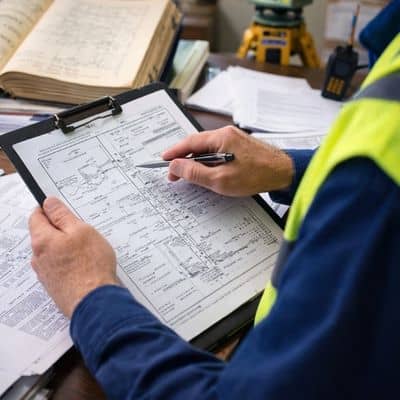
Some homeowners questioned why surveys take weeks. They expected a quick visit and fast results. After learning more, their views changed.
Survey work starts with research. Surveyors review county records, old maps, and past surveys. After that, they collect field measurements. Then they check the results and prepare the final documents.
Once homeowners understood these steps, frustration dropped. They saw the timeline as careful work, not delay.
What Homeowners Say They Would Change Next Time
After sharing their stories, many homeowners reflected on what they would do differently. Their answers stayed consistent.
First, they would call a residential surveyor earlier. Second, they would explain their project clearly instead of guessing survey terms. Third, they would plan survey costs and timing from the start.
These lessons came from real experience. They show how understanding survey work can improve any home project.
Why Local Knowledge Matters
Greenville properties come in many shapes and ages. Some neighborhoods include older lots with limited records. Others sit near new developments or natural features. Homeowners noticed that local experience made a big difference.
A residential surveyor who knows the area understands these challenges. They know where records may be missing and what local rules apply. That knowledge helps projects move forward with fewer surprises.
Homeowners also valued surveyors who explained results in simple language. Clear answers build trust and confidence.
How the Right Residential Surveyor Makes Things Easier
Across all discussions, one point stood out. Working with the right residential surveyor changed the entire experience. Clear communication, honest timelines, and clear explanations mattered most.
Homeowners appreciated surveyors who explained what would happen and why it mattered. That guidance turned a confusing process into a manageable one.
When surveyors act as guides, not just technicians, homeowners feel more at ease.
Final Thoughts: Learning From Others Helps You Plan Better
Recent online discussions show that survey questions are common. Most frustrations came from missing information, not poor service. By learning from others, homeowners can plan with confidence.
A residential surveyor plays an important role in protecting property rights and supporting safe home projects. When homeowners understand that role early, projects stay on track.
Planning ahead, asking questions, and choosing the right professional can save time, money, and stress.