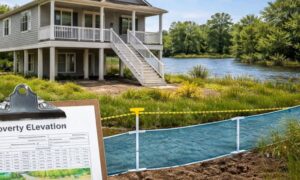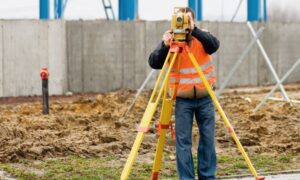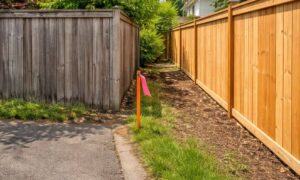

In the past few days, a proposed subdivision has sparked strong reactions from nearby residents. Social media posts and public comments show frustration, concern, and confusion about how land is being divided and developed. While the debate feels emotional, the issue at the center is practical. It comes down to how land is measured, divided, and presented to decision-makers. This is where a subdivision survey plays a critical role.
A subdivision survey may sound technical. However, it affects real people, real neighborhoods, and real property value. When one is done right, it brings clarity. When it is rushed or incomplete, it can fuel conflict.
What sparked the recent controversy
Greenville continues to grow. New housing helps meet demand, but growth also brings tension. In this recent case, residents raised concerns about lot sizes, road access, drainage, and how close new homes would sit to existing properties. Some neighbors felt blindsided. Others questioned whether the plans respected the character of the area.
Although the discussion happened at a planning meeting, it spilled onto Facebook and local forums. That response matters. It shows how closely people care about land around them. More importantly, it highlights how early survey work shapes public trust long before construction starts.
Where a subdivision survey fits into the planning process
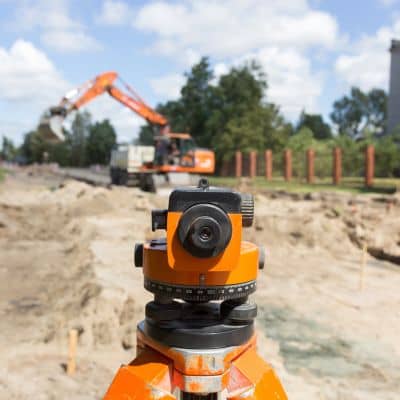
Before any subdivision reaches a planning commission, survey work sets the foundation. A subdivision survey defines how a larger tract of land becomes individual lots. It shows property lines, access roads, easements, setbacks, and overall layout.
Because of that, planners rely on survey data when reviewing proposals. They do not guess where lines fall. They look at plats created from field measurements. When residents ask, “How close is that house to my fence?” The answer comes from the survey.
So, when confusion arises during public meetings, it often means the survey information was not clear enough to the public or not communicated well.
Why unclear surveys lead to public pushback
People react strongly when they feel unsure. In subdivision debates, that uncertainty often comes from maps that are hard to read or plans that leave out key details.
For example, if a survey does not clearly show buffer areas or drainage paths, neighbors may assume the worst. Even when a developer follows zoning rules, poor survey presentation can create fear and distrust.
Because of this, accurate and detailed subdivision surveys help everyone. They allow planners to answer questions with confidence. They also help residents understand what is truly being proposed, not what they imagine might happen.
How survey accuracy builds trust with the community
Trust matters in land development. Once it is lost, projects face delays and resistance. A well-prepared subdivision survey helps avoid that outcome.
Clear boundaries reduce rumors. Accurate elevations help explain drainage plans. Properly labeled easements show how utilities and access will work. Together, these details create transparency.
As a result, discussions become calmer. People may still disagree, but they argue from facts, not fear. That difference can determine whether a project moves forward or stalls.
What this means for property owners
If you own land and plan to subdivide it, this controversy offers a lesson. Survey work should not be treated as a box to check. Instead, it should be seen as protection.
A strong subdivision survey helps you:
- Present clear plans to planners
- Reduce objections from neighbors
- Avoid costly redesigns
- Keep approval timelines on track
In contrast, weak survey data can lead to repeated meetings, added expenses, and public frustration.
Why homeowners near subdivisions should care too
This issue does not affect developers alone. Homeowners near proposed subdivisions also benefit from understanding survey basics.
When you attend a planning meeting, survey maps help you see where lines truly fall. They show how roads connect and where drainage flows. That knowledge allows you to ask better questions and raise valid concerns.
Without it, discussions rely on assumptions. Those assumptions often escalate conflict instead of solving problems.
Growth makes survey quality more important than ever
Greenville’s growth will continue. More subdivisions will come. Because of that, survey quality will matter more, not less.
As land becomes more valuable, mistakes cost more. Boundary errors can lead to legal disputes. Drainage miscalculations can damage nearby properties. These risks increase when survey work lacks precision.
Therefore, investing in proper survey work early protects everyone involved. It supports smart planning and responsible growth.
When a subdivision survey should happen
Timing also matters. A subdivision survey should be completed before plans reach the public stage. Early survey work allows time to address issues quietly and professionally.
If surveyors identify challenges with access, terrain, or setbacks, developers can adjust plans before public review. That proactive approach prevents many controversies from forming at all.
The bigger lesson from debate
This recent Greenville controversy feels loud and emotional. Yet beneath it lies a simple truth. Land development depends on clarity.
A proper subdivision survey provides that clarity. It supports planners, informs residents, and protects property owners. Without it, even well-intended projects can spark opposition.
As Greenville grows, these lessons matter. Surveying may happen quietly in the background. Still, its impact reaches the center of public debate.
Final thoughts
Subdivision discussions often focus on density, traffic, and neighborhood character. Those concerns are valid. However, they all trace back to how land is measured and divided.
A proper subdivision survey does more than define lines on paper. It shapes trust, reduces conflict, and supports fair decision-making. Greenville’s recent experience shows why survey work deserves attention early, before tensions rise.
In growing communities, clear land data creates smoother paths forward. That clarity starts with the survey.