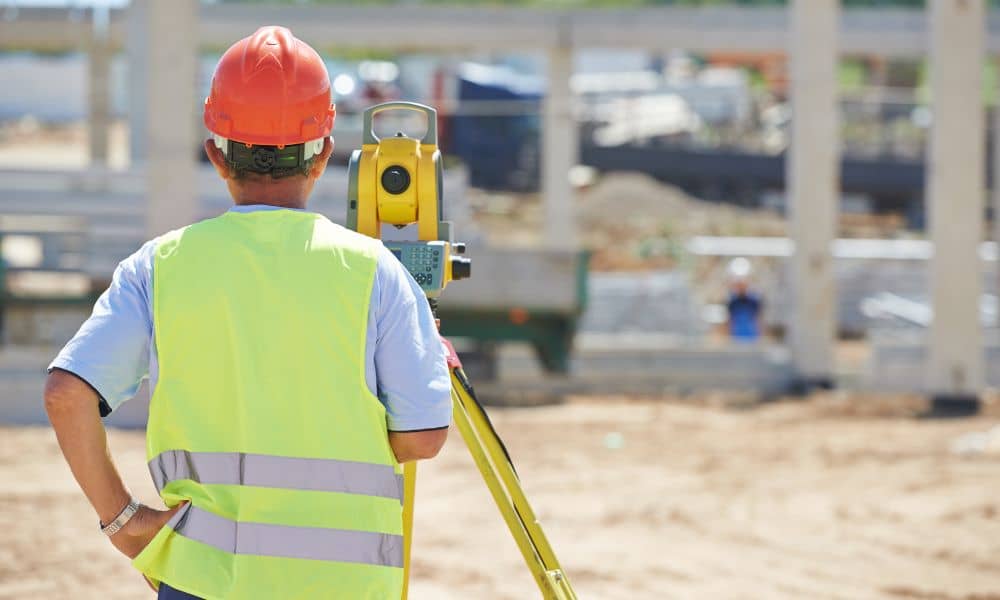
Greenville, South Carolina keeps growing. New homes, shops, offices, and hotels continue to appear across the city. Now, leaders plan another big project near the center of downtown: the Falls Park Conference District. The plan includes a hotel, meeting spaces, offices, homes, and public areas near Falls Park on the Reedy. At first, most people focus on the buildings, the design, or the new jobs the project might bring. But before construction can even start, someone needs to make sure the land is ready. That’s where a commercial property surveyor comes in. When you look at the role surveyors play in commercial development, it’s easy to see why getting accurate measurements and maps first can save a lot of headaches later.
Without clear land information, even the best project plans can run into delays, legal problems, or costly mistakes. That’s why surveyors are such a critical part of projects like the Falls Park Conference District.
Big Projects Start With Clear Land Data
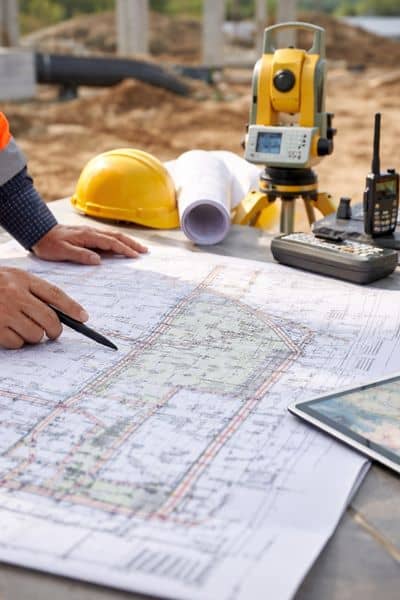
Large developments include many parts. Developers need to plan roads, parking areas, utilities, and building spaces. They also have to combine several pieces of land into one project site. Because of this, the first step is always understanding the land itself.
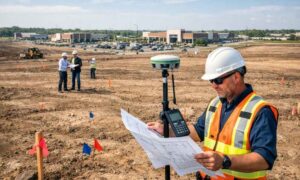
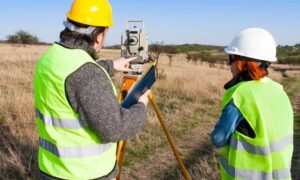
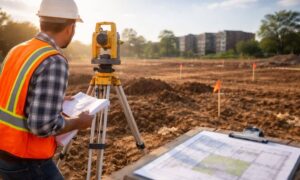
For that, an experienced surveyor for commercial projects steps in. They review property records, walk the site to measure boundaries, and map out existing features so architects and engineers know exactly what they’re working with. This careful work makes sure nothing is overlooked before design begins.
For a project like the Falls Park Conference District, the site may include several lots with different histories. Some parcels may be old, while others might have shared roads, easements, or underground utilities. By having an experienced surveyor involved early, developers can see the land clearly and avoid costly mistakes later.
Downtown Projects Need Careful Survey Work
Downtown areas often bring more challenges than open land. Greenville’s city center grew over many years. As a result, property lines, roads, and utilities can overlap in complex ways.
For example, older sites may include:
- Utility lines crossing the land
- Shared driveways or access roads
- Historic property lines
- Underground water or sewer pipes
Because of this, developers cannot depend only on old maps.
Instead, a commercial property surveyor must check the exact location of each boundary, structure, and utility line on the site.
This step helps the design team place buildings in the correct spots.
Surveys Help Prevent Costly Problems
Commercial projects often involve large budgets. Even a small mistake can create big problems later.
For example, imagine a building plan crosses a property line by mistake. Construction could stop right away. In some cases, the developer may even need to redesign the entire project.
However, a detailed survey helps avoid this problem.
A commercial property surveyor confirms the property boundaries before design begins. Because of this, architects can place buildings, roads, and parking areas in the right places from the start.
In addition, surveys show other features on the site. These may include slopes, trees, drainage paths, or existing structures. Therefore, engineers can plan around these features before building begins.
Easements and Access Rights Matter
Large developments often share space with nearby properties. Utilities may cross several lots. Roads may also serve more than one building.
Because of this, easements become very important.
An easement allows another person or company to use part of the land for a specific reason. For example, a power company may run lines across a property.
If a building sits on top of that easement, legal problems may appear.
A commercial property surveyor finds these easements during the survey process. The survey map shows where these rights exist on the land.
As a result, the design team can avoid building in those areas.
Surveys Help Projects Move Through Permits
Cities require permits before construction begins. Greenville also follows a clear development review process.
Developers must submit site plans that show buildings, parking, roads, and drainage systems. However, city reviewers expect these plans to match the real property.
If the land information proves wrong, the city may reject the plans.
Because of this, developers often work with a commercial property surveyor early in the project. The survey gives reliable data for architects, engineers, and planners.
As a result, the project can move through the permit process more smoothly.
Large Projects Often Combine Several Lots
Many commercial developments use more than one property. That may also happen with the Falls Park Conference District area.
Developers may need to buy or combine several lots before building starts. Each lot may have its own legal description and history.
Because of this, property lines must match correctly when the land joins together.
A commercial property surveyor studies each parcel closely. Then the surveyor checks how the properties connect. This step ensures the final project sits on clear and legal land.
Without this step, property disputes could appear later.
Surveys Help Lenders and Investors
Large projects often need funding from banks or investors. These lenders want to understand the property before approving financing.
They want proof that the property lines are correct. They also want to know about easements, conflicts, or other legal issues.
Because of this, many lenders require a professional survey during the early stages of a project.
A commercial property surveyor provides the reports and maps needed for this review. The survey shows the true condition of the property.
Because of this, investors feel more confident about the project.
What Property Owners Can Learn
The Falls Park Conference District is a large project. However, the same lessons apply to smaller developments in Greenville.
Many property owners plan to:
- Build office spaces
- Redevelop retail areas
- Expand commercial buildings
- Develop mixed-use properties
In every case, clear land data matters.
Because of this, working with a commercial property surveyor early can prevent many problems. A survey helps owners understand the property before they spend money on design or construction.
A Strong Project Starts With the Land
The Falls Park Conference District hopes to bring new activity and growth to downtown Greenville. However, every successful development begins long before construction starts.
First, the land must be clearly understood.
A commercial property surveyor provides that knowledge. By confirming boundaries, finding easements, mapping site features, and supporting design teams, surveyors help projects move forward with confidence.
In growing cities like Greenville, that work remains essential. When builders start with accurate land information, projects move ahead with fewer delays and fewer risks for everyone involved.