
Changing lot lines sounds simple at first. Maybe you want to buy a strip of land from your neighbor. Maybe you want to clean up a weird boundary that never made sense. It feels like a quick fix.
Then the survey comes in, and things get real.
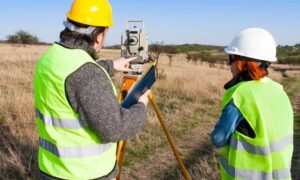
A property survey does more than draw lines on paper. It shows what’s actually happening on the ground. That’s where most surprises show up.
If you’re thinking about adjusting lot lines in Greenville, here’s what a property survey will reveal before anything moves forward.
The True Legal Boundaries
Many owners trust what they see. A fence feels like the boundary. A tree line looks official. Sometimes both are wrong.
A property survey checks the legal description tied to your deed. It places exact points on the ground. Those points decide where your land starts and ends.
This step matters early. If the legal lines don’t match what you assumed, your entire plan can shift. You may not even own the strip of land you planned to adjust.
Whether Your Idea Actually Works
Some lot changes look good on paper but fail once measured.
A survey helps answer a simple question: can this adjustment even work?
For example, your new lot layout might leave one parcel too narrow. Or the shape may turn awkward and unusable. In some cases, the change creates a leftover piece of land that serves no purpose.
This is where many plans stop. It’s better to find that out now instead of after filing paperwork.
Structures That Sit Too Close to the Line
Driveways, sheds, fences, even parts of a house can sit near a boundary. Some may already cross it.
A survey maps every visible improvement. Then you see how those features relate to the proposed new line.
Move the boundary, and suddenly a structure sits in the wrong place. That can lead to extra work, or worse, a full redesign of your plan.
Utility Lines You Can’t Ignore
Utility lines run through many properties. Water, sewer, power, and even cable lines often follow set paths.
A survey shows where these lines exist. Some are visible. Others sit underground but still affect what you can do.
If your new lot line cuts through a utility area, you may need to rethink the layout. You can’t just move or remove these lines without proper approval.
How Water Moves Across the Land
Greenville has a mix of flat areas and sloped ground. Water doesn’t sit still. It flows.
A survey can show elevation changes and drainage paths. That matters when adjusting lot lines.
Shift a boundary, and you might change how water flows between properties. One side could end up dealing with runoff that never existed before.
That kind of issue shows up later, often after heavy rain. Fixing it then costs more.
Access to Each Parcel
Every lot needs a clear way in and out. That sounds obvious, yet it gets overlooked.
A survey shows where driveways sit and how each parcel connects to the road. When you adjust lot lines, that access must still work.
Sometimes a change blocks access without you realizing it. A driveway might end up on the wrong side of the new line. That creates problems fast.
What the New Layout Will Look Like on Paper
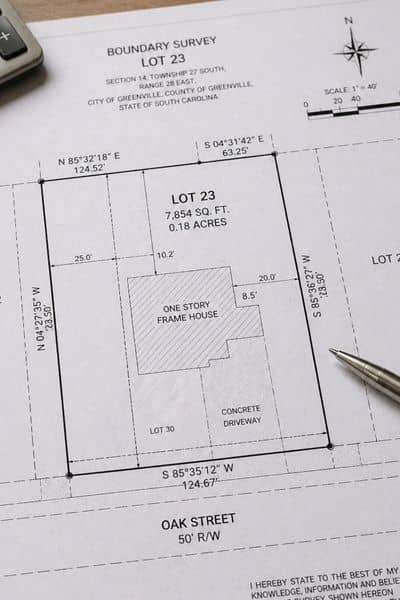
Before any approval, your new lot lines need to be drawn clearly.
A survey creates that updated drawing. It shows the current layout and the proposed change side by side.
This drawing becomes the basis for everything that follows. If something looks off here, it will cause issues later.
Clarity at this stage saves time.
Conflicts Between Use and Ownership
People use land in ways that don’t always match legal lines. A neighbor might mow part of your lot. You might share space without thinking about it.
A survey brings everything into focus. It shows who owns what, not who uses it.
When you adjust lot lines, these informal habits can clash with the new layout. It’s better to spot that early and talk it through.
What Comes Next After the Survey
Once the survey is done, you have a clear picture. No guessing. No assumptions.
Now you can move forward with confidence. You can adjust your plan if needed. You can prepare the right documents. You can avoid delays that catch others off guard.
Most problems don’t come from the adjustment itself. They come from skipping this step.
Why This Matters for Greenville Property Owners
Greenville keeps growing. More owners are changing their land to fit new needs. That includes small adjustments, not just big developments.
A property survey gives you control before making those changes. It shows what you’re working with in real terms.
Without it, you’re making decisions based on guesswork.
Ready to Adjust Your Lot Lines? Start With a Property Survey
If you’re planning to adjust lot lines in Greenville, start with accurate information about the property first.
It helps avoid delays, redesigns, and unexpected costs. More importantly, it shows what’s actually possible before anything is committed.
That’s where better decisions begin.