Buying a home often feels straightforward once the offer is accepted. But a home survey can reveal details that are not obvious during a walkthrough. In Greenville, SC, where neighborhoods include a mix of older homes and newer builds, those details can affect how you use your property after closing.
Why Buyers Regret Skipping a Home Survey
This topic has strong Reddit traction because many homeowners share the same experience—they assumed everything was fine until it was too late. A recent thread described a buyer who discovered their fence and shed crossed into a neighbor’s property after closing.
That kind of situation is more common than people expect. Buyers often rely on visible boundaries like fences or landscaping, but those features do not always match legal property lines. Taking that extra step early gives you real peace of mind before buying your home, instead of finding out about problems after you have already moved in.
What a Home Survey Actually Shows
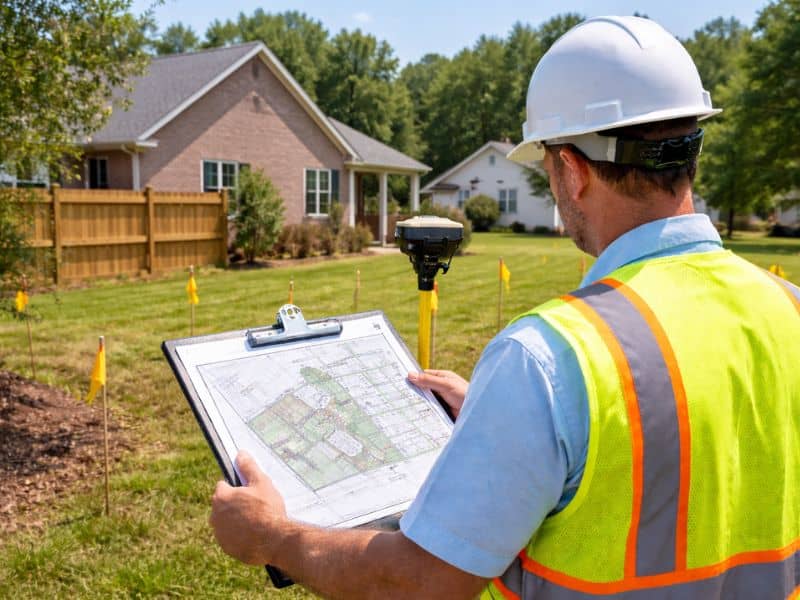
A home survey provides a clear picture of the property’s boundaries and visible improvements. It helps confirm where structures sit in relation to lot lines and whether anything appears to cross into neighboring property.
This includes fences, driveways, sheds, and other features that may not be reflected in listing details. It also helps identify access points and how the property fits within its recorded boundaries.
Common Issues Homeowners Discover Too Late
Many problems only come to light after a purchase is complete. That is when fixing them becomes more difficult and expensive.
Some of the most common issues include:
- fences or structures crossing property lines
- unclear or missing boundary markers
- improvements built too close to lot lines
- neighbor disputes over land use
These issues can lead to added costs, legal questions, or changes to how the property can be used.
Why This Matters in Greenville Neighborhoods
Greenville has a mix of established neighborhoods and growing residential areas. In older areas, property lines may not be obvious or clearly marked. In newer areas, construction changes can create confusion over boundaries if not verified.
That is why a home survey matters before buying. It helps confirm that what you see matches what you legally own, especially when improvements have been added over time.
Having a better understanding of your property before you commit can help buyers avoid the kind of surprises that show up after closing, when options are more limited.
How Buyers Can Avoid Costly Surprises
The best time to order a home survey is before closing. Waiting until after the purchase can turn small issues into larger problems.
Buyers who review survey results early can make informed decisions, ask questions, and resolve concerns before moving forward. This helps avoid disputes and keeps expectations clear between all parties involved.
A home survey is not just a formality—it is a simple step that can prevent long-term issues and give buyers confidence in their purchase.