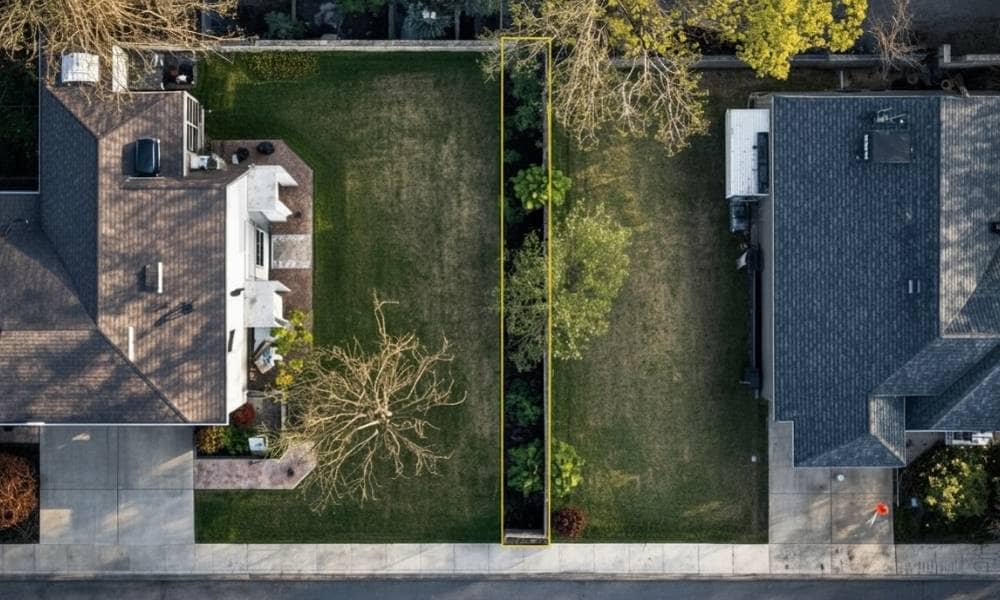
Missing property line markers can create big problems for homeowners. A small metal pin or corner marker may not seem important at first. However, if it cannot be found, it can lead to fence problems, permit delays, arguments with neighbors, and confusion before a project even begins.
Many people only think about property lines when they are building a fence, adding a driveway, planting trees, or planning a home addition. That is usually when they discover a problem. The markers are gone, buried, or impossible to find. Before making guesses, homeowners should understand why property markers matter and what steps to take next.
What Are Property Line Markers and Why Do They Matter?
Property line markers are physical points placed by surveyors to show legal property boundaries. They help identify where one property ends and another begins.
Markers may include:
- Iron pins
- Rebar stakes
- Concrete monuments
- Survey caps
- Marked corner points
These markers serve as important reference points. Builders, surveyors, and property owners rely on them when planning projects.
If markers go missing, people sometimes assume they know where the property line is. That can become a costly mistake. A fence placed a few feet into a neighbor’s land can create legal trouble and force expensive changes later.
Why Property Line Markers Go Missing
Many homeowners think property markers stay visible forever. In reality, they often disappear over time.
Common reasons include:
- Landscaping projects
- Fence installation
- Utility work
- Construction activity
- Heavy rain and erosion
- Tree removal
- New driveways or sidewalks
Greenville continues to grow, and more neighborhoods are seeing home improvements and new development. Ground work often changes the landscape. Over time, markers can become buried under soil, grass, mulch, or pavement.
Some markers are still there, but hidden several inches below the surface.
What Homeowners Should Do First
If you cannot find your property line markers, do not start guessing. Estimating where the boundary sits can create more problems.
Instead, follow these steps:
1. Review old survey documents
If you purchased your property with a survey, check those records first. Existing surveys may show marker locations and measurements.
2. Review your plat or property records
Property records can provide useful information about lot shape and dimensions.
3. Look for visible clues
Corners, fences, utility boxes, and neighboring markers may provide hints. Still, these should never be treated as legal proof.
4. Avoid relying on phone apps
Many homeowners use GPS apps or online maps. These tools are helpful for estimates but are not accurate enough to define legal boundaries.
5. Contact a licensed surveyor
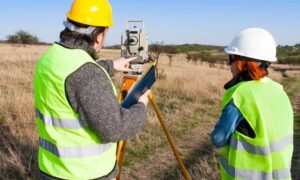
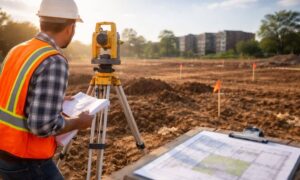
A professional surveyor can locate evidence, review legal descriptions, and verify the correct property lines.
Starting with the right information can prevent much bigger issues later.
Why Missing Markers Can Create Problems
Greenville has seen steady growth over the past several years. New homes, renovations, and property improvements continue throughout the area.
That growth creates situations where boundary clarity becomes more important.
Missing markers can create issues such as:
- Fence disputes
- Driveway placement problems
- Setback violations
- Permit delays
- Landscaping conflicts
- Neighbor disagreements
For example, imagine a homeowner building a new fence behind their property. They estimate the location using an old fence line. Later, a survey shows the fence crossed onto neighboring land. Now the fence may need to be moved or rebuilt.
Situations like this happen more often than many people think.
When a Boundary Survey Becomes Necessary
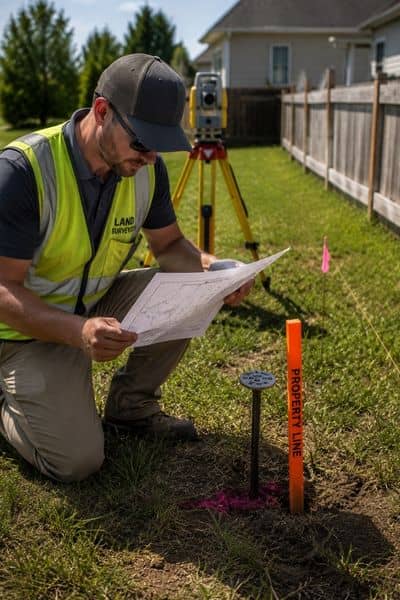
Sometimes existing records and visible clues are enough. Other times, a professional survey becomes the safest option.
You may need a boundary survey if:
✓ You are planning a new fence
✓ You are building an addition
✓ Property corners are missing
✓ You recently purchased land
✓ A disagreement exists with a neighbor
✓ Construction is planned near lot lines
Boundary surveys help establish legal property limits using field measurements and existing evidence.
Surveyors do more than locate metal pins. They review deeds, plats, previous records, and physical evidence before making decisions.
That process helps reduce mistakes and gives homeowners confidence before starting projects.
Why Professional Help Matters
Property boundaries can affect home value, future sales, and construction plans. Small errors today can create larger problems later.
A licensed surveyor follows legal standards and uses detailed measurements to determine property boundaries. This is different from estimating with online maps or measuring from a fence line.
Many homeowners wait until a problem appears before calling a surveyor. By then, time and money may already be lost.
Working with professionals early can save stress and avoid costly surprises.