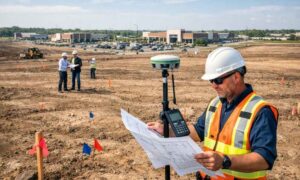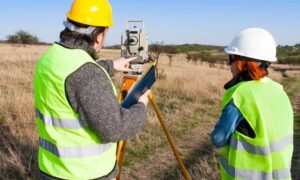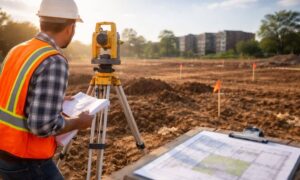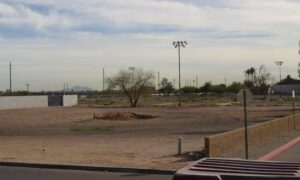
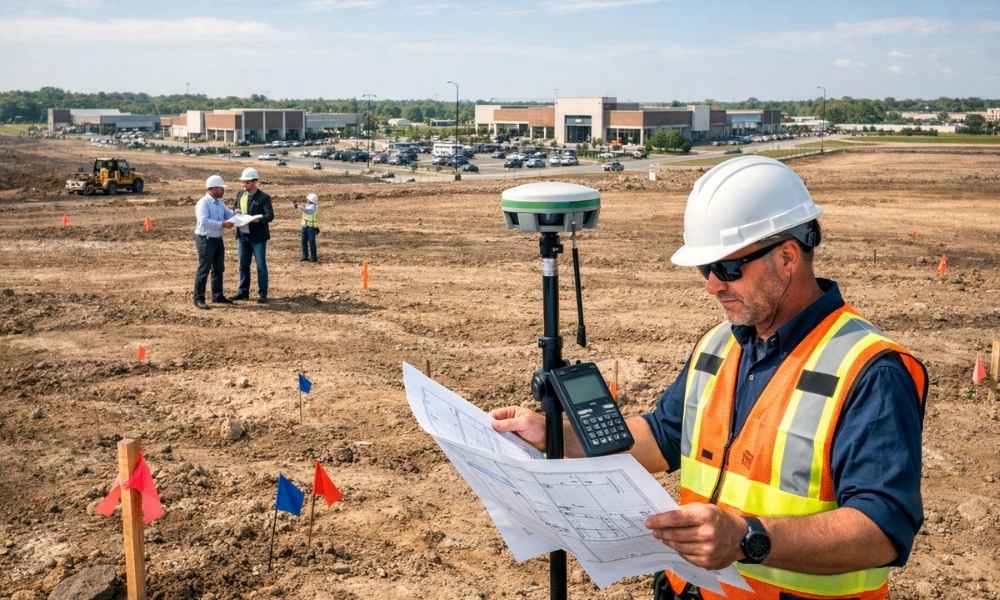
A commercial property surveyor is the first person on your land. They measure property lines. They find problems. They document what’s actually there. For developers, this early work prevents big mistakes. It stops permit delays. It keeps projects on schedule.
Many developers skip surveys or ignore them. This is a mistake. Surveyors find real conditions that change everything about your project.
Reading the Land Before Development Decisions Are Made
Before architects arrive. Before engineers make plans. A surveyor needs to walk your land first. This moment matters most.
Surveyors find problems maps don’t show. They spot drainage issues. They find hills and valleys. They locate power lines and water pipes underground. Your site plan must avoid these utilities.
In Greenville’s growing commercial areas, land changes quickly. One property might slope down 8 feet. The next property might be flat. Surveyors catch these differences before designers waste weeks on impossible plans.
Surveyors also check what you really own. Property lines aren’t always where Google Maps shows them. Neighbors sometimes use your land. Old owners might have allowed people rights across your property. A survey shows your actual boundaries. You learn exactly how much land you can build on. You avoid future disputes. You keep your design realistic.
Early surveys also identify access issues. Can cars enter and exit safely? Are there sight distance problems? Does the city need to widen the road or add traffic signals? These answers change your project cost and time. Getting them before design work saves months and prevents rebuilding plans.
A survey costs $2,000 to $8,000 for typical commercial sites. One design change from missed site conditions costs ten times more. The math is simple. Surveys save money.
Aligning Survey Data With Greenville’s Commercial Growth Patterns
Greenville is growing fast. New commercial areas open. Zoning changes. Roads and water systems get upgraded. These create opportunities and challenges.
A commercial property surveyor turns land measurements into useful planning information. They answer important questions:
- Where exactly is the zoning boundary on your property?
- Does the city have water and sewer at your site?
- Are utility easements blocking your building location?
- How does your site connect to nearby roads and infrastructure?
Surveyors map utility areas, drainage paths, and road boundaries. They show where city expansion plans affect your development. This is critical. A perfect-looking site on paper might sit in a flood zone. It might be in the path of a future road. A surveyor knows public records. They catch these problems before you spend money on plans.
In downtown Greenville and Woodruff Road, projects were built in stages over years. Surveyors create the consistent baseline that keeps all stages aligned. Future phases connect smoothly to current work.
Developers also need to know about utility lines and capacity. A surveyor finds existing pipes and power lines. They document how deep they are and how much they can carry. If the city’s systems aren’t strong enough for your project, you know early. You can plan upgrades or make agreements with the city.
Identifying Hidden Development Risks Before Engineering Begins
Surveyors find real obstacles that can stop or change projects. These aren’t just ideas. They’re actual problems that hit your budget and timeline.
Easements are common obstacles. Utility companies own easements on properties. These cover power lines, water pipes, sewer lines, and telephone cables. Easements aren’t just marks on a map. They prevent building. You cannot put a structure in an easement. A surveyor finds every easement and shows its exact size.
Encroachments happen when someone else’s property or structure extends onto your land. A fence in the wrong spot. A water pipe running under your property. A utility box on your boundary. These seem small but create big problems. They prevent clean property sales. They cause neighbor disputes. A surveyor documents every encroachment. They show you what you can do about it.
Boundary disputes are expensive to fight in court. A professional survey settles them. Your engineer and contractor need to know exactly where they can build. A surveyor provides this answer. They study old property deeds, previous surveys, and legal descriptions. They find conflicting information and warn you about risks.
Irregular shapes and limits affect how you use the land. A lot that looks square on a tax map might be pie-shaped. Building setbacks might be strange. There might be environmental protection areas. A surveyor maps all these limits. Your architect designs within real boundaries, not guesses.
These discoveries happen early. Changes are easy and cheap. You can redesign a site plan quickly. You can cancel a project before closing if the land won’t work. You can negotiate price changes based on real conditions. Once you have a survey, you make smart decisions with real information.
Supporting Multi-Phase Commercial Project Coordination
Large commercial developments built over many years. A ten-acre center builds in stages. Phase one might be one building and parking. Phase two adds another building. Phase three finishes smaller pad sites.
A commercial property surveyor creates a consistent baseline. Every team works from the same system. Same boundary marks. Same utility locations.
This prevents major mistakes. Drainage between phases stays aligned. Parking connects properly. Contractors don’t accidentally build on future phases. Utilities placed in phase one serve phase two efficiently.
Surveyors also document finished work. A survey at the end of phase one becomes the baseline for phase two. This keeps rework minimal and costs predictable.
The surveyor also marks construction staking. The contractor doesn’t guess. They follow marked baselines set by the surveyor. This accuracy protects your money and prevents expensive field fixes.
Turning Survey Results Into Actionable Site Development Plans
A professional survey produces specific documents that feed directly into engineering and construction:
- Boundary maps showing real property lines, easements, and encroachments
- Topographic surveys with elevation contours every 1 to 2 feet
- Utility locations mapped with depths and capacities
- Site control data showing what you own versus what you control
Engineers use this to design grading, drainage, and utilities. Architects use it to place buildings and parking. Contractors use it for construction layout.
Without this data, engineering becomes guesswork. With it, the process is efficient and accurate. A surveyor also explains findings to non-technical people. They help developers understand why an engineer recommends certain grading. They explain why a building cannot sit where originally planned.
The survey is where plans become buildable reality. It transforms vague site selection into concrete design details. Developers who skip surveys save money at first but lose much more later in redesigns and delays.